


Last Updated on June 19, 2026
The Chinese market has long been an opportunity that many Western brands have eyed with great enthusiasm.
After decades of rapid growth, the Chinese digital landscape boasts over 1 billion internet users, 800+ million online shoppers, and a thriving virtual economy with an estimated revenue of $4.9 trillion in 2024.
Now, with the rise of Guochao trends in China, foreign marketers are left asking: What do Chinese consumers really think about Western brands in 2025?
Key insights of the current state of Western brands in China:
- Online discovery and purchase of Western brands are primarily facilitated through short-form videos and live commerce campaigns.
- Many Chinese consumers continue to associate foreign brands with high-quality design and product safety.
- Western luxury brands continue to hold influence in the Chinese market, although spending remains cautious.
- The rise of Guochao (national trend) has boosted pride in Chinese brands, making competition more challenging for Western companies.
The Shifting Perceptions of Western Brands in China
Western brands have seen a remarkable transformation in public perception in the Chinese market over the past few decades.
What was once a symbol of exclusivity and modernity has, over time, become more contested and dependent on cultural alignment, innovation, and local trends.
Here’s a brief timeline of how perceptions of Western companies changed within the country:

- 1990s: Western brands symbolized wealth, aspiration, and modern living. Foreign products were rare, and their presence alone commanded attention.
- 2000s: As China’s middle class emerged, demand for global luxury brands surged. Globally renowned Western companies, such as Coca-Cola, Apple, and Louis Vuitton, are considered the gold standard when it comes to brand reputation and recognition.
- 2010s: Domestic brands began to gain ground in quality, technology, and branding. The “Guochao” trend gained momentum in the mid-decade, celebrating Chinese culture and design.
- 2020–2025: Chinese consumers now expect Western brands to adapt to their culture and specific needs. Quality alone is no longer enough. Brands must engage with local platforms, evolving cultures, and changing trends to stay relevant in the market.
What Drives the Popularity of Western Brands in China?
1. Quality and Innovation
As mentioned earlier, Chinese consumers continue to associate Western products and brands with high quality, safety, and innovative new products. In fact, in some categories, Chinese companies are still catching up with globally renowned alternatives.
For instance, many Chinese consumers still regard Swiss watches, Japanese cars, or German appliances as benchmarks of quality.
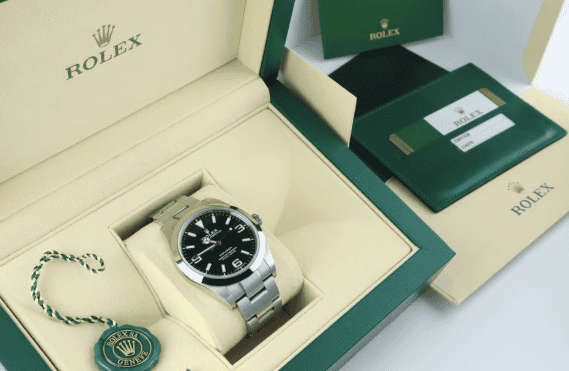
Rolex with Watch Certification (Source: SCMP)
Rolex, in particular, remains one of the leading luxury watch brands in China. Its growing market share is primarily driven by the Swiss brand’s continued quality assurance innovations, like the “Watch Certificate” that buyers can access via the app or QR code.
It’s a response to Mainland China’s mobile-centric digital landscape and a way to mitigate the increasing sales of counterfeit products in the country.
2. Cultural Resonance (Guochao)
Modern Chinese consumers crave products that reflect their own cultural identity. Because of this, Western brands that adapt their offerings and marketing strategy to local trends tend to generate more visibility and sales than those that don’t.
A good case study example is how Adidas successfully regained the Chinese market by launching a collection featuring Chinese-themed motifs.
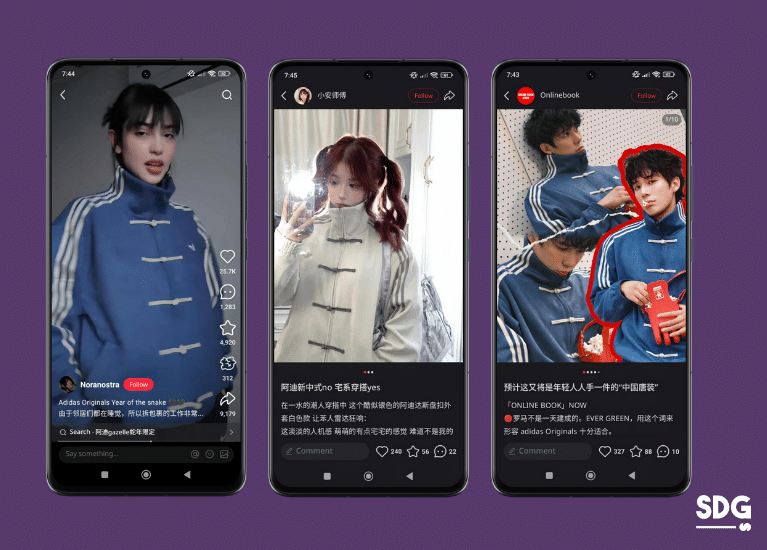
Popular Xiaohongshu Content About Adidas’ “New Year Jacket”
The release of these products also went viral on Chinese social media platforms, like Xiaohongshu. By continually aligning its campaigns with the local holidays and festivals, Adidas managed to catch up with the growing influence of its Chinese competitors.

KFC x Genshin Impact Campaign Video on Weibo
Successful brands also resort to co-branding campaigns embedded with a Chinese context to appeal more to the modern tastes of young consumers. KFC did exactly that when they collaborated with Genshin Impact.
KFC’s release of limited-edition merchandise and Genshin Impact-themed products has led to the campaign amassing over 120 million views on Weibo. The organic interest from Chinese consumers continued for weeks, and allowed the company to generate more sales.
3. Digital-First Consumption Patterns
The Chinese consumer market is deeply digital-first. Platforms that feature short video feeds, livestream shopping, and social commerce are the primary channels through which local shoppers in China discover and purchase Western brands.
Here’s what the data says regarding the local success of Western brands due to the rise of digital media consumption patterns in the industry:
• Online purchasing is now the norm, especially with 53% of Chinese luxury consumers making purchases virtually through brand websites, mini-programs, and official e-commerce platforms.

• Platform-native livestreams are highly effective for driving sales conversions and enhancing brand recognition. Luxury fashion houses have streamed major runway moments on Douyin and Bilibili, including Louis Vuitton’s 2026 Early Spring/Summer Collection Women’s Fashion Show.
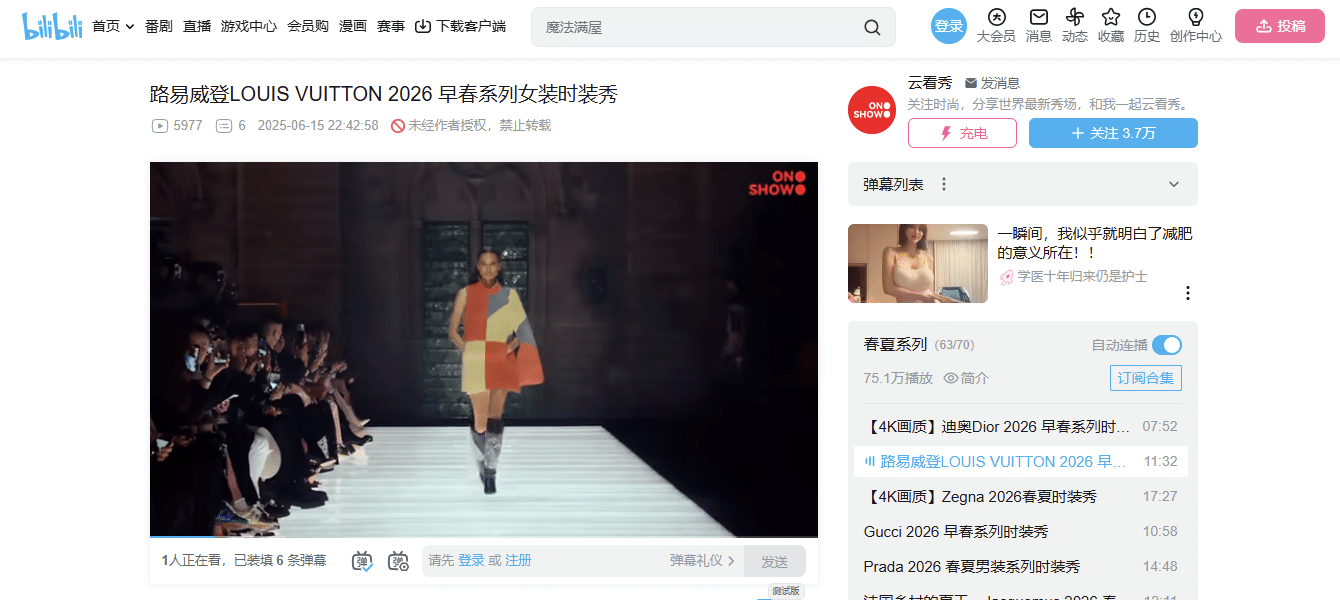
Louis Vuitton’s 2026 Fashion Show Streamed on Bilibili
What are the Most Popular Western Brands in China?
Apple
Apple has a long, storied presence in China. Early on, it capitalized on being a prestigious foreign brand from the West. They initially didn’t turn their focus much on brand localization and relied on their global popularity until local companies came to compete with them.
Understanding the difference between Western and Chinese consumers led them to adjust their offerings to the trends and needs of the local market.
Apple decided to invest in tailor-made promotions for Chinese holidays. At some point, their live-streaming campaigns on Tmall reached a whopping 1.3 million views within the first hour.

Apple’s Mid-Year (618) Festival Livestream Campaign on Tmall
The success of their global business in China also hinges on adjusting market prices to the purchasing habits of the local middle class.
They even launched an “iPhone 16e,” a more affordable Apple model, to appeal to China’s midrange buyers. This move helped the company grow by 8% in Q2 2025, while the overall market remained flat.
Their focus on Chinese market trends allowed Apple to remain a leading smartphone brand in China, despite fierce competition from Huawei, Xiaomi, and others.
Coca-Cola
As one of the oldest Western brands in China, Coca-Cola illustrates brand localization done right. Compared to other products that relied on their global popularity, this business immediately adapted its brand name to Chinese characters.
In the local market, they’re mostly known as “可口可乐” or “Kekoukele.” This term means “tasty fun,” which is perfect for campaigns tied to Chinese holidays.

Coca-Cola dragon-themed branding campaign for CNY 2024
Speaking of Chinese holidays and celebrations, the Coca-Cola company annually launches campaigns related to these themes.
For the previous Chinese New Year celebrations, the brand worked with a paper-cutting Gen Z artist to create a unique design for their limited-edition Coke cans in China. This strategy was a success as the product eventually gained traction on local social media.
Coca-Cola’s example shows that even with a global reputation, a product from the West must align with local trends to maintain brand allure in China.
Nike
Nike has faced headwinds from domestic rivals but remains a powerful brand in the eyes of Chinese consumers. It has been in China for over 30 years. At this point, some marketers may think they have nothing to prove.
From sponsoring China’s Olympic teams to collaborating with basketball stars, their ties in the market run deep. However, the business understands that success in this industry means consistent effort to respect and align its marketing goals with Chinese culture.
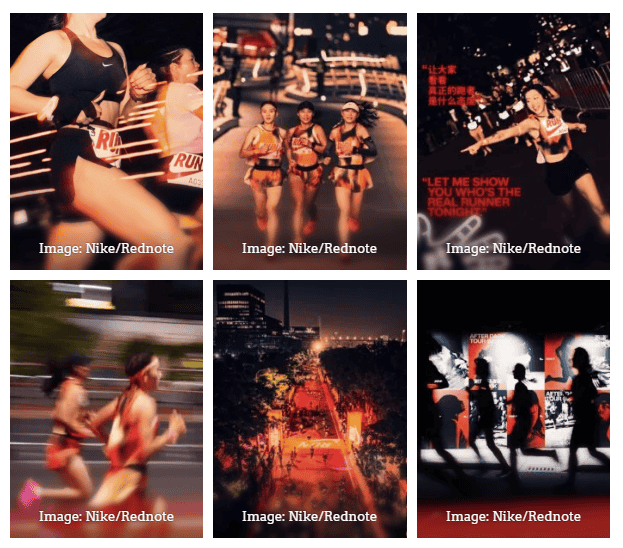
“After Dark Tour” Shanghai campaign posted by Nike on Xiaohongshu (Source: Dao Insights)
Recently, Nike ran campaigns featuring Chinese athletes and cultural motifs. The company even joined hands with Alibaba’s platforms for exclusive online releases. Additionally, they hosted in-person events, such as the “After Dark Tour” night runs, which eventually gained traction on social media.
In response to their narrowing market share in China, Nike shifted its marketing focus to stronger partnerships with local retail chains and expansion into lower-tier cities.
Challenges and Missteps Western Brands Made in China
Many Western brands attempting to enter the Chinese market often fail to develop effective digital marketing strategies.
As a result, some recognizable names have stumbled along the way. Here are a few notable examples you can refer to:
• Best Buy
The American retailer entered China with a Western-style store model that did not align with local shopping habits. Its name in Chinese is also confusing, and prices were considered too high. By 2011, Best Buy had withdrawn from the market.
• Carrefour
Carrefour once led foreign hypermarket retailers in China, opening hundreds of stores across the country. Over time, it has lost more than RMB 8.5 billion (over USD 1.1 billion).
Competition from e-commerce, rising costs (including rent and supply chain), and changing consumer preferences (for smaller, online, and fresh foods) undermined its early advantage.
• Home Depot
The American home improvement giant misread consumer behavior. In China, homeowners prefer hiring contractors rather than undertaking DIY projects themselves.
Unlike the West, there was very little demand for its “do it yourself” model in China. As a result, Home Depot closed its last stores in 2012.
Best Strategies for Western Brands to Succeed in China
1. Go Beyond Basic Localization
A simple website content translation is not enough. Western companies need to adapt names, branding, and offerings to Chinese preferences. Some adjustments that worked well for foreign brands in the past are:
-
- Choose local brand names that carry meaning in Chinese characters. For instance, IKEA’s name “宜家” conveys warmth and the idea of a welcoming family home.
- Tailor products or packaging offered online to local tastes. This includes China-specific offerings, seasonal packaging, and holiday promotions.
- Adopt advanced Chinese CRM systems and analytics to target specific consumer segments, from first-tier cities to low-tier regions.
- Optimize your E-commerce stores. On Taobao or JD.com, brands succeed when they utilize platform features such as livestreaming, discount coupons, and online events.
2. Focus on Chinese Social Media Platforms
China’s social and commerce platforms can influence how consumers discover, evaluate, and purchase products. Success depends on building a presence that feels native to each channel and helps your target audience connect with your brand better.
Here are some platforms worth exploring for your next campaign:
- Douyin (抖音): Western brands run shoppable short videos and livestreams that let viewers purchase products instantly within the app.
- Xiaohongshu (小红书): Foreign marketers often post in-depth reviews via Notes and video content with product links. They also leverage KOLs and KOCs to build trust and drive direct conversions.
- WeChat: Companies launch mini-programs integrated with WeChat Pay, virtual e-commerce stores, videos, and live-streaming features, offering a dynamic online shopping experience.
3. Work with Local Digital Marketing Agencies
For some, the path to succeeding in China begins with partnering with Chinese digital marketing agencies that understand the operational, regulatory, and cultural nuances of the local digital market.
These partnerships can provide on-the-ground knowledge, access to established networks, and risk mitigation when entering a highly competitive and regulated environment.
A localized team allows brands to:
- Collaborate with certified Key Opinion Leaders (KOLs) through trusted MCN networks to ensure compliance and brand safety.
- Respond to policy shifts quickly, such as new advertising restrictions, to avoid content takedowns and ad disapprovals.
- Adapt content strategies to Chinese consumer preferences, from visuals to copy.
- Optimize paid campaigns based on Chinese users’ behavior on each app and when they’re most active.
Quick Q&A
How many Western brands are in China?
There were approximately 1.1 million foreign-invested companies registered in China. This number encompasses numerous Western-origin brands and enterprises.
Why do some Western companies fail in China?
Some Western brands misread local demand, pricing norms, and shopping habits. They also underestimate China’s platform-dominated digital ecosystem and lose to faster local rivals when they fail to localize.
How important is localization for Western brands in China?
Without adapting product design, messaging, names, packaging, and user experience to Chinese preferences, foreign companies risk seeming irrelevant or out of touch. Localization is often the difference between merely entering the market and achieving sustained growth and loyalty in China.
Your Trusted Digital Marketing Partner in China!
Despite the challenges, many international brands continue to find success in China by focusing on what Chinese customers truly want. They create products specifically for this market, localize their content, adjust prices, and continually learn.
You may also want to read:

At Sekkei Digital Group, we have in-depth knowledge and expertise to plan your next campaign. With our well-versed and experienced team, we can help you get ahead of the changing marketing landscape in China.

Whether you intend to launch an elaborate advertising campaign or work with niche-specific KOCs, we have all the digital solutions you need! Get in touch with our team today, and let’s start planning your market entry in China.
