


Last Updated on April 17, 2026
In the last quarter of 2024, China’s economic growth witnessed a rapid increase in the GDP rate to around 5.4%, which is notably higher than the recorded data from the same period in 2023. Next to the US, the country held the second-largest economy in the world, with a value of $18.5 trillion.
China also has a dynamic digital ecosystem, which drives a significant portion of its economy’s rapid growth. With the world’s largest social media user base, foreign investors and businesses naturally see the country’s virtual landscape as a lucrative venture to explore.
If you’re interested in entering the market through local online channels, here’s a list of the top Chinese industries worth checking out.
What are the Top Industries in China for Foreign Brands?
1. Health and Wellness
Although the worldwide pandemic is long over, domestic consumption of wellness products and healthcare services appears to persist in the Chinese market beyond regular demand.
Around 75% of consumers in this segment actively search for information about these wellness goods on China’s digital channels. The top sources of health information include short videos, local search engines, influencer content, and social media platforms.
With 87% of Chinese people considering health as the top priority in their lives, it’s no surprise that wellness trends like “light health” and “green foods” are infiltrating the local F&B industry.
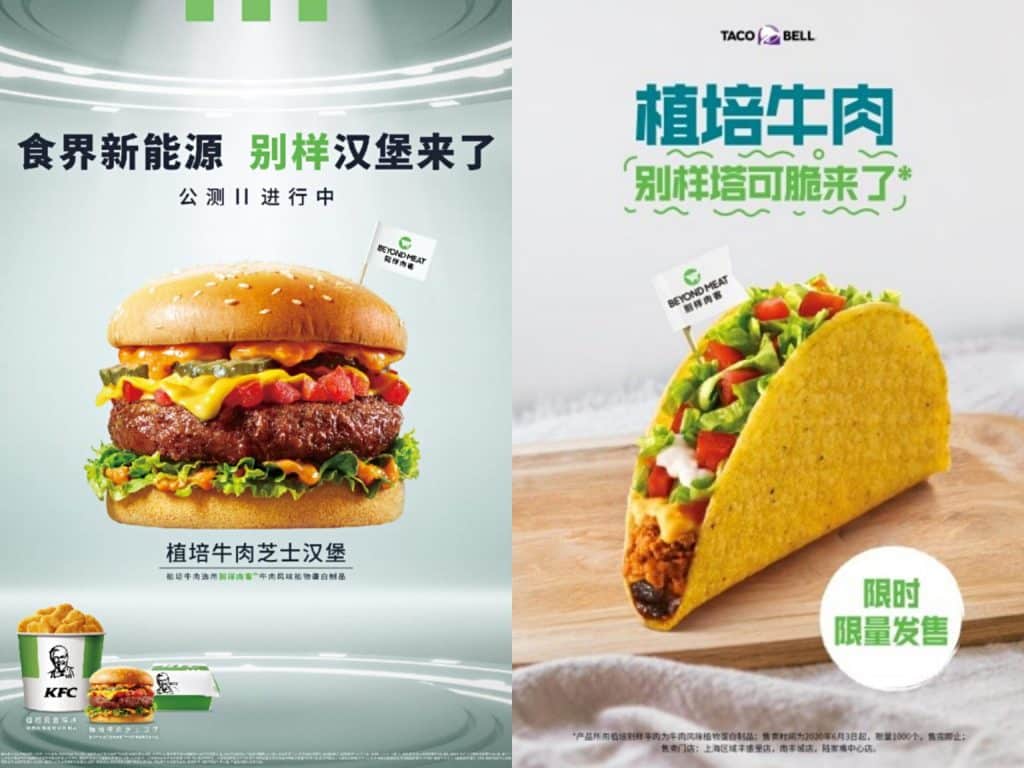
KFC x Beyond Meat Plant-based Menu (Source: Dao Insights)
Foreign and Chinese companies are still actively aligning their offerings with the ongoing demand for health and wellness trends. Most are localizing their products, incorporating beneficial health ingredients, low-calorie components, and dietary additives to appeal to the Gen Z and Millennial consumer base.
In some cases, like KFC, they’re collaborating with other brands known for their health-conscious products, like Beyond Meat. This particular vegetarian brand also collaborated with other well-known food chains, including Starbucks, Pizza Hut, and Taco Bell, to ride the popularity of the plant-based meat trend in the Chinese market.
With the rapid development of China’s digital economy, it’s easy to track the increasing demand for wellness products among modern consumers. For example, if you look at Xiaohongshu’s search volume data for 2023, you’ll notice that health-related tags generated over 180 million inquiries.
Given how Xiaohongshu is integrated with e-commerce features, these numbers indicate a high domestic demand for the health and wellness sector.
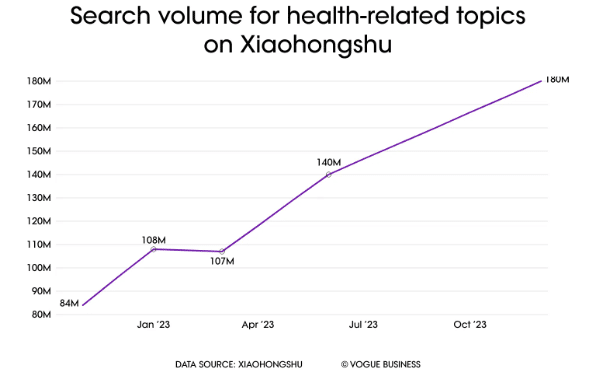
Health and Wellness Searches on Xiaohongshu (Source: Vogue Business)
Which Platforms Should You Use for Health and Wellness Marketing in China?
China’s health-conscious consumers spend much of their time on digital apps, so brands need to focus on channels where awareness and commerce naturally intersect. A few platforms wellness brands can consider for their market entry strategy in China:
-
Xiaohongshu (RED) – Popular for lifestyle and product discovery, especially among Gen Z and Millennials. Wellness topics and reviews drive strong purchase intent.
-
Douyin – Short videos dominate consumer attention. Fitness routines, healthy recipes, and influencer-led product demos perform well here.
-
WeChat – Beyond messaging, WeChat’s ecosystem supports community building, mini-program stores, and official brand content for repeat engagement.
-
Bilibili – Attracts younger audiences interested in in-depth health content, such as diet breakdowns, exercise science, and wellness vlogs.
-
Baidu & Zhihu – Ideal for consumers actively seeking reliable health information, giving brands a chance to establish authority and credibility.
2. Outbound Tourism and Hospitality
Around 130 million Chinese tourists traveled overseas in 2024, making outbound tourism and hospitality one of the major industries contributing to China’s potential economic growth.
By the end of 2025, these numbers are set to surpass 155 million, a forecast that exceeds the country’s pre-pandemic outbound travel records.
Instead of traditional sightseeing in popular tourist spots and domestic city walking, younger Chinese travelers seek unique, personal experiences that resonate with the changing market trends.
Solo travel is experiencing substantial growth, particularly among affluent female travelers who are becoming increasingly financially independent, as well as Gen Z tourists. Beyond retail travel trips and the pursuit of luxury goods, these consumer groups view outbound tourism as a reward for their achievements or a form of self-care.

Source: Global Times
Last year’s outbound tourism also surged in Asian destinations like Thailand, Malaysia, Japan, and Singapore. The uptick in overseas travel often occurred during major Chinese festivals and celebrations, such as the Chinese New Year and the October Golden Week (National Day).
During the May Day holidays in 2024, the Chinese OTA platform Qunar recorded record-high flight ticket bookings to nearly 100 overseas destinations. As a result, industry experts and travel agents are optimistic that the industry will fully recover or surpass pre-pandemic levels by 2025.
With more countries offering visa-free policies for Chinese tourists, it’s clear as day that China’s outbound tourism market is set to contribute to the global economy in the long run.
Which OTAs and social platforms do Chinese tourists use to book trips?
Modern Chinese travelers rely heavily on online travel agencies (OTAs) and social platforms to plan and book overseas trips. These channels combine convenience, community reviews, and real-time price tracking, making them essential for outbound tourism.
- Ctrip (Trip.com Group): China’s largest OTA, with services spanning flights, hotels, vacation packages, and even corporate travel.
- Fliggy (by Alibaba): Integrates travel services directly into Alibaba’s digital ecosystem, making it attractive for consumers who are already using Alipay.
- Mafengwo: A hybrid platform that combines travel booking with user-generated content and reviews, often favored by younger travelers seeking inspiration.
- Xiaohongshu (Little Red Book): Known for lifestyle and travel diaries, it’s where users share personal trip reviews and itineraries.
- Bilibili: Gaining traction with younger audiences who enjoy long-form vlogs and authentic storytelling around travel experiences.
3. Retail Sales and Live-Commerce
With the Chinese government’s policies supporting cross-border e-commerce channels, foreign businesses can expect continued growth in this sector. Today, online shopping accounts for 27.6% of the market’s overall retail sales volume.
In 2024, approximately 82.3% of the Chinese internet users surveyed by Statista admit to browsing and purchasing products online. This is a slight increase from the 82% penetration rate in 2023. The continued digitalization of the retail sales segment is expected to bring more industry revenue in 2025.
The live-streaming trend also appears to support e-commerce’s continued dominance in China’s digital landscape. In fact, over 75% of local internet users utilize these real-time video channels for their daily online shopping and entertainment needs.

By June 2024, the market generated over 12.34 million live-commerce hosts in China. This user base comprises individuals, influencers, professionals, and businesses that utilize live-streaming services to promote their products in real-time.
It’s an online selling format that combines influencer marketing with the increased user engagement brought by real-time content. The effectiveness of this strategy is evident in China’s growing average live commerce per capita consumption, which ranges around 7,399.58 RMB.
What is the best platform for retail and live commerce in China?
China’s retail and live-commerce landscape is highly fragmented, yet a few platforms consistently dominate because of their vast user bases, integrated payment ecosystems, and firm trust among consumers. The “best” platform depends on the brand’s goals, product category, and target audience, but a few stand out as industry leaders.
Key channels to consider include:
- Taobao: Often regarded as the pioneer of live-commerce in China, Taobao Live integrates seamlessly with Alibaba’s massive e-commerce ecosystem. It’s ideal for brands that want direct access to a large user base and already-established influencer networks.
- JD Live (JD.com): With JD’s reputation for authenticity and efficient logistics, the app is particularly appealing for foreign brands selling higher-value or imported goods. Consumers on JD tend to trust the platform for product quality, making it a strong option for premium brand positioning.
4. Healthcare and Biotechnology
If you’re a foreign brand looking to enter the Chinese market, the healthcare and biotechnology sectors are among the first places to consider. China’s population is aging, and the demand for better medical treatments and services has never been higher.
Individuals aged 60 and above account for 20% of the Chinese population, while those aged 65 and above comprise 15%. This demographic shift led to increased medical costs and put a strain on the healthcare system.

Global Pharma, Sanofi, in the China International Import Expo (Source: China Daily)
As a result, the Chinese government continues to foster innovation in biotech research and product development by approving grants and implementing favorable policies. This opens the door to many business opportunities, including telemedicine platforms, medical devices, pharmaceutical developments, and more.
In 2023, China’s biotechnology market generated revenues of approximately $74.16 billion and is projected to reach $262.96 billion by 2030. With more foreign investors pouring into this sector, industry revenue from healthcare and biotechnology is likely to be a critical component of China’s GDP growth in 2025.
Is China open to foreign Healthcare and Biotechnology brands?
Absolutely. In fact, China recently relaxed restrictions on foreign investments for biotech firms working with stem cells, gene therapies, and genetic diagnostics. They can now operate in pilot Free Trade Zones such as Shanghai, Hainan, Guangdong, and Beijing.
These are not just isolated policy changes. China is rolling out action plans to stabilize and attract foreign investment across various sectors, including healthcare. The initiatives aim to ease access to domestic loans, improve data flow rules, and streamline merger and acquisition (M&A) processes.
5. Investment and Financial Services Industry
In 2020, China removed foreign ownership limits in the securities, futures, and life insurance sectors, allowing full foreign ownership of these businesses. This policy permitted companies like JPMorgan and Goldman Sachs to take complete control of their Chinese operations.
Today, the financial services market in China is valued at approximately USD 2.8 trillion. Over the next five years, the market is expected to grow at a compound annual growth rate (CAGR) of roughly 10%.

Do you need local licenses to market financial products and services online in China?
Yes, foreign companies that want to market or distribute financial products in China must obtain the proper licenses from local regulators. Unlike other consumer goods, financial services fall under strict supervision, especially given the government’s emphasis on protecting investors and maintaining market stability.
China’s financial sector is regulated primarily by the China Securities Regulatory Commission (CSRC), the People’s Bank of China (PBOC), and the China Banking and Insurance Regulatory Commission (CBIRC).
6. Entertainment and Digital Media
China’s entertainment and digital media landscape presents a dynamic arena for foreign brands, with sectors such as streaming services, gaming, and digital content creation experiencing significant growth.
The online gaming market is expected to significantly contribute to China’s GDP in 2025, given that it has achieved a record revenue of approximately 325.8 billion yuan ($44.8 billion). This marks a 7.53% increase from the previous year.

Local gamers playing Honor of Kings by Tencent
The rise of micro-dramas, short-form video content tailored for mobile consumption, has also transformed the digital content landscape in China. In 2023, the revenue from micro-dramas in China reached 37.39 billion yuan ($5.31 billion).
The continued popularity of these entertainment trends presents unique opportunities for foreign brands to engage with Chinese audiences through innovative content formats.
7. Food and Beverages Industry
China’s food and beverage sector has seen a notable increase in at-home consumption, particularly during the pandemic.
Growth in specific segments, such as instant noodles and frozen foods, may slow as dining out resumes. However, staples such as herbs, spices, and cooking oils are the ones maintaining this impressive trajectory.
There is a growing demand for high-quality, healthy, and safe food products. Chinese consumers are increasingly concerned about food safety and are willing to pay a premium for organic and imported food and beverages.
Convenience is a significant driver, with a preference for ready-to-eat meals, snacks, and beverages that fit busy urban lifestyles. This trend opens opportunities for foreign brands specializing in these market segments.

Chinese consumers looking at precooked dishes (Source: China Daily)
Which channels work best for selling food and beverages online in China?
Foreign food and beverage brands thrive in China when they understand where local consumers spend their time online. Digital discovery often begins with social media and naturally flows into e-commerce platforms. Word-of-mouth marketing through influencers, communities, and live streaming is equally powerful.
-
Social media platforms
WeChat, Weibo, Xiaohongshu, and Douyin are central to brand visibility. Consumers often search for product reviews, recipes, and lifestyle content before making purchases. -
E-commerce apps
Tmall Global, JD.com, and Pinduoduo allow foreign brands to sell directly. These platforms often host campaigns tied to major shopping festivals like Singles’ Day, which are crucial for exposure. -
Online forums and communities
Platforms such as Zhihu and Baidu Tieba host discussions where users share recommendations and experiences. These spaces build consumer trust and amplify credibility. -
Live-streaming apps
Douyin and Kuaishou enable interactive shopping experiences where influencers demonstrate products in real time. This format has proven especially effective for snacks, drinks, and novelty imports.
How is China’s economy doing today?
Beyond its GDP growth rate, China is a major global economic power with a foreign trade surplus of $992.2 billion. In 2024, industry revenue projections range from approximately 3% to 4%, representing a notable improvement compared to the market’s stagnant growth in 2023.
The growth of China’s economy can also be attributed to the rising wages of middle-class consumer groups. By the end of 2025, the disposable personal income of the average resident is expected to reach approximately 54,153.00 RMB.
This predicted increase highlights the long-term potential of the Chinese consumer market and, in turn, will generate more revenue for various top industries in China.
Foreign investment firms also drive the positive outlook for this year’s revenue growth. Recent reports indicate that this segment experienced a growth rate of 6.2%.

Top Challenges Foreign Businesses Might Face in the Chinese Market
● Regulatory Environment
The regulatory landscape in China is constantly evolving, making it challenging for businesses to stay compliant. Companies must follow cybersecurity, data protection, advertising restrictions, and foreign investment regulations.
Recent changes, such as the Personal Information Protection Law (PIPL) enacted in 2021, have also added complexity for companies handling data.
While the healthcare and medical sector is one of the top Chinese industries today, businesses offering these products and services may face even stricter scrutiny due to public safety and national security concerns.
The sector is regulated by bodies such as the National Medical Products Administration (NMPA), which imposes rigorous standards for product approvals and clinical trials.
For instance, foreign pharmaceutical companies often face longer timelines to gain regulatory clearance than domestic firms. Navigating this environment requires constant vigilance, in-depth legal counsel, and collaboration with local partners to ensure compliance and mitigate risks.
● Market Competition
China’s market is fiercely competitive, with both domestic and international players striving for market share. Local companies often have the advantage of better understanding the cultural and consumer nuances.
Many renowned global brands are also already utilizing cross-border e-commerce platforms to gain a foothold in the country’s digital landscape.
● Cultural Differences
Understanding and adapting to local cultural nuances is crucial for success in China. Marketing strategies that work in Western markets may not resonate with Chinese consumers.
For instance, their preference for mobile-first and social commerce experiences requires a more localized digital marketing approach.

What are the biggest consumer trends in China right now?
Emotional Experience Economy
In a cautious spending climate, people are investing in experiences that foster meaning and connection. Collectibles (Labubu) and social‑commerce recommendations via WeChat groups are examples of how shared experiences and emotion-based consumption drive online engagement.
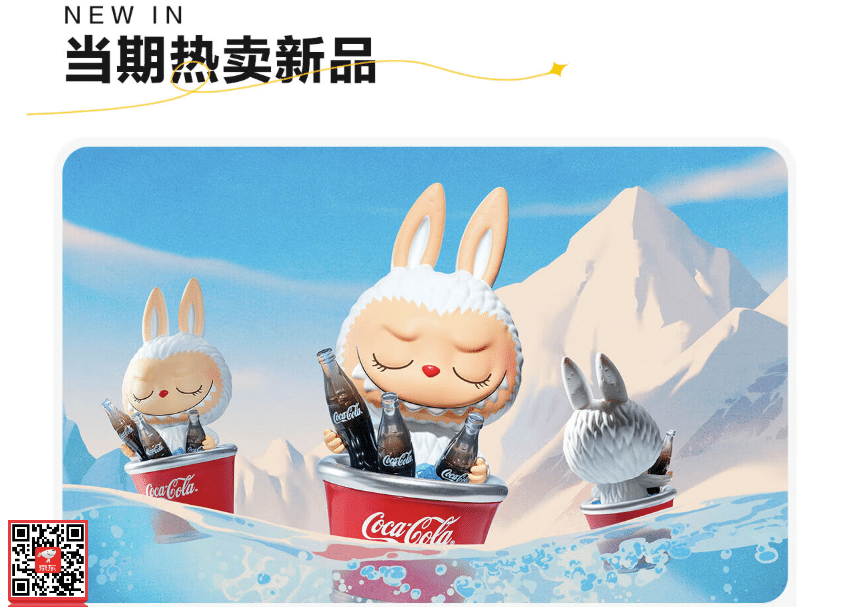
Pop Mart’s Labubu Collection on JD.com
Digital-Native Social Selling
China’s social commerce ecosystem continues to evolve. Short video platforms like Douyin are overtaking traditional e-commerce in the beauty and fashion sectors. Brands are now experimenting with their strategies centered on KOLs and KOCs, live-stream shopping, and UGC to build trust and drive immediate conversions.
Budget-savvy Personalization
Chinese consumers, particularly Gen Z and young families, are gravitating toward affordable yet customized everyday experiences. Case in point: Mixue, a bubble tea chain, has surged past Starbucks by offering sub‑$1 drinks tailored to local tastes, while Starbucks is scrambling to cut prices and restructure its marketing strategy in China.

Mixue Store in China
Quick Q&A
What is the most profitable industry in China?
‘The industrial sector, which includes manufacturing, mining, and construction, is the most profitable in China. It accounts for about 31.7% of the country’s GDP, making it the largest contributor to the Chinese economy.
What product is in high demand in China?
High-tech gadgets, including advanced smartphones, gaming consoles, and smart home appliances, are currently in high demand in China. This trend is fueled by tech-savvy Gen Z and Millennials, who eagerly seek the latest innovations and cutting-edge technology.
What sectors are attracting global brands in China?
Sectors such as health and wellness, affordable luxury, cross-border e-commerce, and digital entertainment are attracting interest from international brands. They’re especially eyeing growth in categories that cater to China’s rising middle class and Gen Z consumers, such as functional beverages, anti-aging skincare, and athleisure.
Ready To Dominate The Chinese Market? Get In Touch With Us Today!
China is a very diverse and distinct market. While it’s tempting to enter top Chinese industries with many opportunities, you must remember that these perks come with fierce competition. You must be well-versed in consumer behaviors and ever-changing trends within the country’s fast-paced business landscape.
You may also want to read:

At Sekkei Digital Group, our team has the digital marketing expertise to help your brand reach the right audience. We possess enough industry experience to guide you in establishing a formidable authority in your niche.

Whether it’s creating an advertising campaign or launching a virtual storefront on e-commerce platforms, we have the digital solutions you need. Contact us today, and let’s start working together!
