


Last Updated on April 17, 2026
A few years ago, Key Opinion Leaders (KOLs) were the primary focus of most Chinese influencer marketing strategies.
However, with local consumers actively seeking genuine user-generated content, they now view micro-influencers (KOCs) as a more credible source of brand recommendations.
In this post, we’ll help you find the right KOC in China and explore effective strategies to ensure the success of your influencer collaborations while navigating the country’s complex digital ecosystem.
What is a Key Opinion Consumer (KOC) in China?
A Key Opinion Consumer (KOC) is an everyday Chinese consumer who influences the buying decisions of people in their close network, like family, friends, coworkers, or a niche community.
Often considered micro-influencers, KOCs post honest reviews of products or services they’ve tried. These reviews appear on local e-commerce and social media platforms through videos, livestreams, articles, or image carousels.
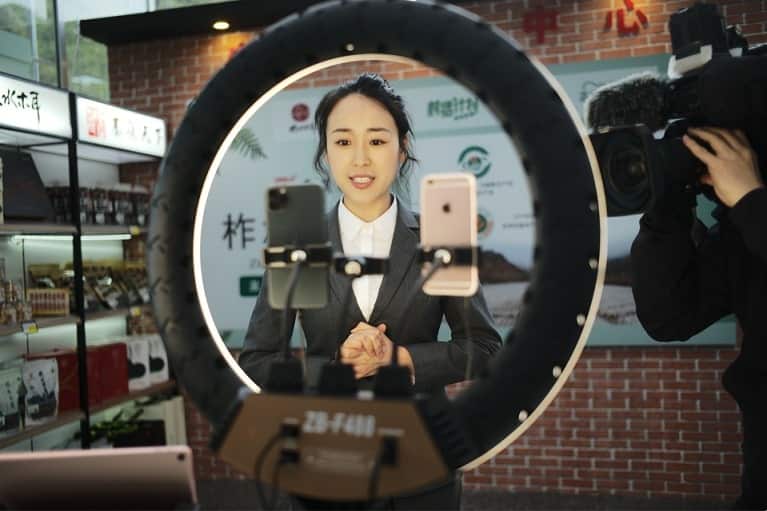
An influencer promoting products on a live stream (Source: Forbes)
Unlike a Key Opinion Leader, a KOC doesn’t promote specific brands in every post. Instead, they build trust by sharing personal consumption experiences and interests. Since they’re more selective about what they advertise, their posts are viewed more as authentic content and valuable insights.
Because of this, KOC marketing strategies are highly effective for generating brand awareness and driving sales in China’s digital landscape.
What’s the difference between KOLs and KOCs?
The main difference between KOLs and KOCs in China is the range of audiences they can reach. KOLs typically have large followings and are influential figures across various platforms, while KOCs have smaller, more niche audiences but can yield high engagement rates.
KOLs are usually seen as celebrities or experts who can drive brand awareness on a large scale. At the same time, KOCs are considered everyday consumers who can sway purchasing decisions through personal recommendations and detailed product reviews.

7 Marketing Tips for Choosing the Right KOC in China
1. Identify Your Campaign Marketing Goals
Before you proceed on this venture, it’s worth noting that launching an influencer marketing campaign with a KOC differs from working with a KOL.
For instance, if your goal is to increase brand visibility and awareness among the general public, you need an influencer with a massive audience reach.
A regular Key Opinion Consumer typically doesn’t have that. However, if your goal is to gain relevance in a specific niche and build communities that drive sales, micro-influencers must be a crucial part of your strategy.

The key role of a KOC in China is to bring you closer to your target audience on a personal level. So, it’s important to ensure that the KOC’s follower base aligns with your target demographic.
While follower count is important, you must also consider how these influencers engage with their audiences. This factor often indicates a KOC’s ability to influence their viewers’ purchase decisions.
Look for micro-KOLs with high engagement rates in their posts. This metric suggests they maintain a strong connection with their fans.
2. Localize Your Products or Services
Chinese consumers are savvy online shoppers. Gone were the days when they blindly patronized Western brands. Today, modern customers tend to gravitate toward familiar products and services.
Although working with a Key Opinion Consumer does put smaller brands on their radar, well-localized offerings will naturally align better with domestic tastes and preferences.
A KOC promoting a product that feels “foreign” might not be as effective as one that seems custom-made for the local audience.

WeChat influencers featuring localized Red Bull products
Remember, brand localization goes beyond language translations. It involves understanding regional preferences, modifying product designs, and adjusting marketing messages to resonate with local consumers.
Localized offerings also enhance the credibility of KOCs when they recommend these products, leading to higher engagement rates and a stronger consumer response.
3. Find KOCs on Platforms Where Your Target Audience is Active
When marketing in China, the best way to find an influencer is through social media platforms. Establishing a presence in these channels can help Western brands build trust among consumers who are unfamiliar with their offerings.
Defining your target demographic’s age, interests, location, and buying behaviors can help you determine the best platform for launching influencer marketing campaigns.

You must also look at where competitors are investing their KOC marketing efforts. Understanding which platforms these brands use can provide insights into where audiences for similar products are most active.
Which Chinese Social Platforms are Suited for KOC Campaigns in China?
• Douyin
Douyin is China’s most popular short video app, attracting a younger audience eager for trendy and viral content. KOCs use Douyin to share honest, everyday product reviews through short-form videos and live streams.
The platform’s algorithm favors authentic content and user engagement, making it ideal for grassroots word-of-mouth marketing. If your brand wants to connect with Gen Z and millennial shoppers, Douyin is the go-to choice.
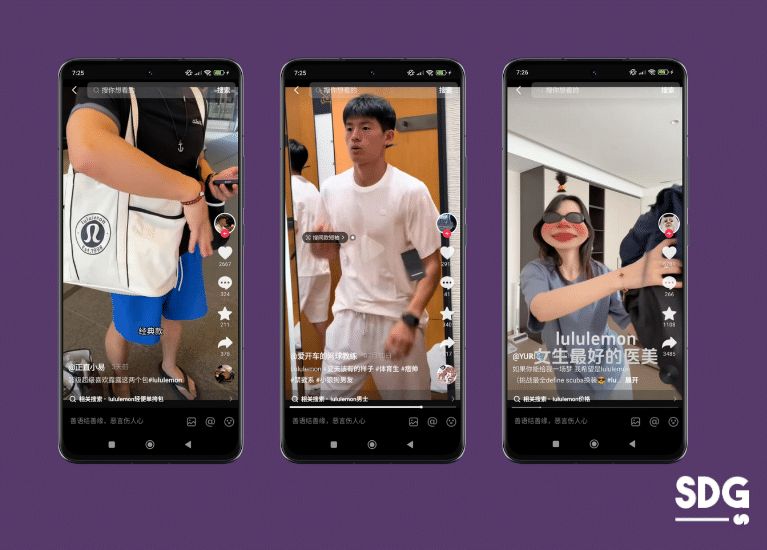
KOCs on Douyin Posting Videos About Lululemon
• Little Red Book (Xiaohongshu or RED)
Xiaohongshu combines e-commerce with a social networking focused on lifestyle, beauty, fashion, and travel. KOCs thrive here by posting in-depth product reviews, interactive shopping guides, and personal recommendations.
The platform’s niche communities value authenticity, so posts from everyday users are highly trusted. It’s especially effective for brands targeting young, urban women and those interested in discovering new products and content.
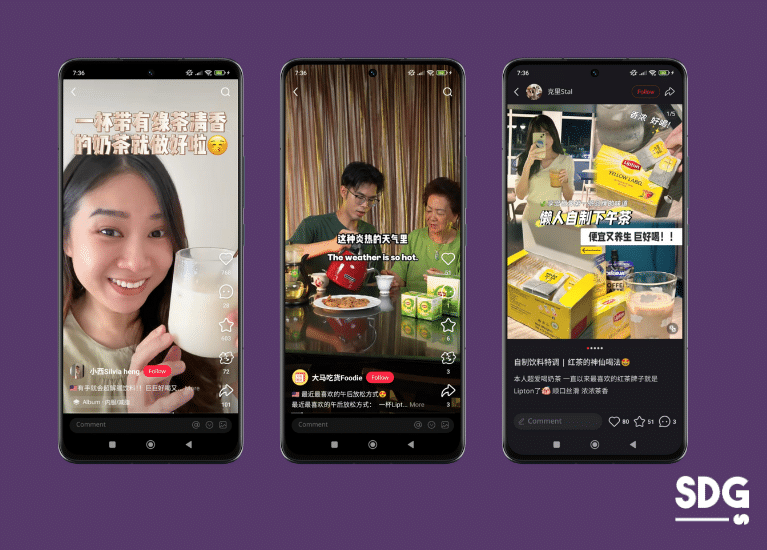
• WeChat
WeChat is China’s super app, used by people of all ages for messaging, payments, and social sharing. KOCs share product experiences in group chats, Moments, Mini-Programs, Store, and Channels.
Content here spreads through personal networks, making peer recommendations highly influential. Brands can work with KOCs to reach targeted circles and leverage word-of-mouth in both private and public spaces.
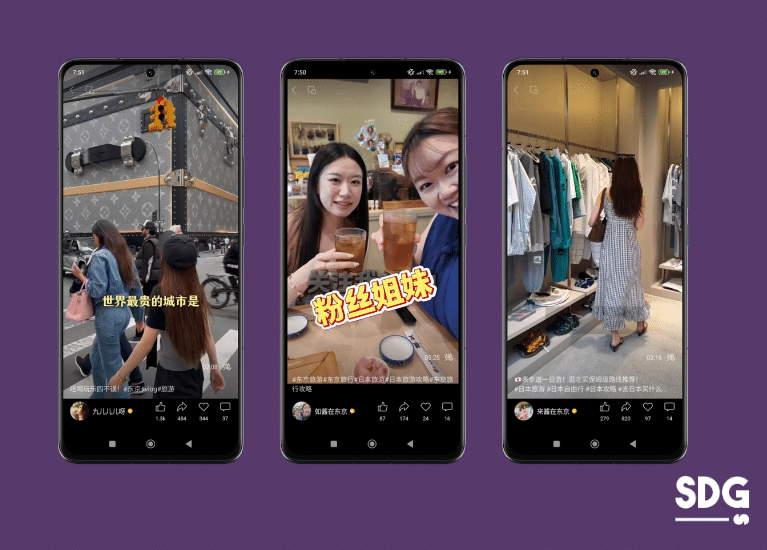
Travel KOCs on WeChat
• Zhihu
Zhihu is a Q&A platform known for thoughtful, in-depth content, making it ideal for products that require more explanation or credibility.
KOCs on Zhihu are typically well-informed consumers who share detailed reviews or comparisons.
It attracts educated users, often professionals, who value well-researched insights. This platform is best for tech, education, finance, or healthcare-related topics.
• Bilibili
Bilibili is a long-form video platform popular with Gen Z and younger millennials, especially those into anime, games, and tech. KOCs here often create detailed product reviews, vlogs, or “day in the life” videos.
The platform’s engaged communities respond well to in-depth reviews and honest opinions. Brands aiming for a loyal and knowledgeable audience will find Bilibili effective for deeper consumer engagement.

Example of a Bilibili account owned by a KOC
4. Choose a Suitable Content Format
Influencer marketing comes in many content formats. Short-form videos and live streams are arguably the most popular media types today, as they often showcase authentic, real-time feedback from influencers and industry experts.
The campaign objectives and the nature of the product should dictate your choice between long-form and short-form video formats. Short-form videos are ideal for creating buzz or briefly demonstrating products, and they perform well on platforms like Douyin.
Long-form content is suitable for platforms like Bilibili or Douyin, allowing brands to explore in-depth storytelling to strengthen the connection with the audience.

Influencers doing real-time product demos on e-commerce platforms
On the other hand, there are over 833 million live-streaming users in China. In fact, this media format generated a market value of five trillion yuan in 2023 alone.
Considering its prevalence in the Chinese market, real-time content can expand the brand’s reach and increase the chance for a higher conversion rate.
You can explore platforms like Taobao Live to facilitate real-time interaction between KOCs and your target consumers. These channels provide content creation tools for product demonstrations, tutorials, and Q&A sessions, which are proven effective in driving instant purchasing decisions.
When choosing a KOC for your live-streaming content, you should consider their ability to communicate effectively and engage with live audiences. Their personality and presentation skills are important, especially if you want to maintain viewer interest and trust throughout the campaign.
5. Execute a Product or Content Seeding Campaign
Audiences that interact with micro KOLs are not keen on traditional sales tactics. Fortunately, content seeding is a strategy worth exploring if you want your campaign to appear more authentic to consumers and influencers.
It’s when companies provide products to influential individuals (in this case, KOCs) for free in hopes that they will use them and share their genuine experiences with their followers.
This tactic is particularly effective in the Chinese market due to the high value placed on peer recommendations and real user testimonials posted on local social media channels.
Keep in mind that product seeding is a popular KOC strategy in China, and chances are many brands are already sending their goods to the KOCs you’re targeting. If you want them to post your products, being unique is the key.
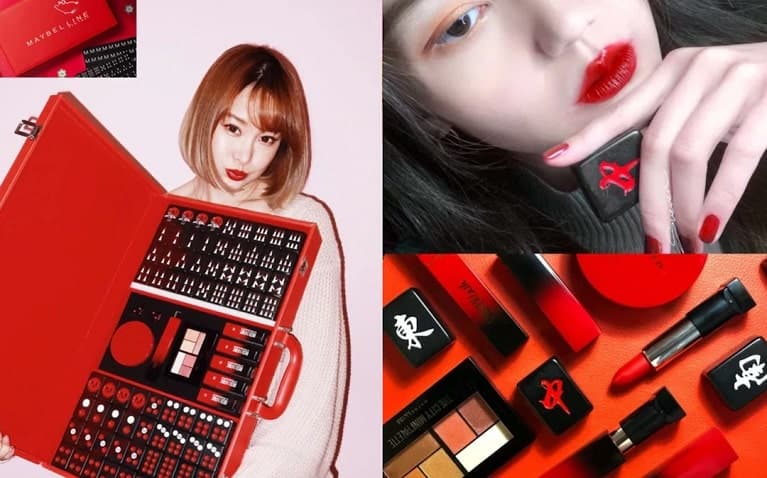
Maybelline’s Chinese New Year Product Seeding Campaign (Source: Jing Daily)
Product seeding is already a popular KOC strategy in China, and chances are, many brands are already sending their goods to the influencers you’re targeting. To stand out and get KOCs to post about your products, you need to offer something unique.
Take Maybelline’s product seeding campaign as an example. For the Chinese New Year campaign, they gave away mahjong-themed lipstick sets to influencers.
Thanks to their localized product branding, they managed to capture the genuine interests of influencers, with many willingly posting positive reviews for the brand.
Not only did this strategy increase the possibility of potential sales, but it also created a positive brand image and user-generated content that the brand could use as social proof in their next campaigns.
6. Optimize Your Digital Landing Pages
As we already mentioned, Chinese consumers are naturally curious and savvy. So, when they encounter your products through KOC recommendations, they’ll likely search for everything related to your brand online.
Your website or other online landing pages must be ready to convert visitors into customers. First, you must ensure that these web pages are mobile-optimized, as around 76% of Chinese internet users access the web via smartphones.
Your landing page should also have a clear, compelling CTA that guides visitors towards the desired action, whether it’s making a purchase, signing up for a newsletter, or another relevant conversion goal.

Rioja Wine’s Website Localization
When it comes to website localization, you must check that all the important web pages are fast-loading to maintain the audience’s interest as they scroll through your content. You can achieve this by hosting the site domestically or configuring it based on China’s internet regulations and the Great Firewall policy.
7. Work with a Chinese Influencer Marketing Agency
Marketing in China can be overwhelming, especially if you’re unfamiliar with the Chinese digital infrastructure and how local consumers engage with influencers online.
A domestic influencer marketing agency understands the cultural nuances and current trends that resonate with Chinese consumers. Because of this expertise, they can easily identify KOCs whose followers match your target demographic.
Beyond connecting brands with the right Chinese KOCs, agencies also offer campaign management services, providing valuable analytics on campaign performance. This data is especially valuable for making informed decisions about future marketing strategies.

Why Chinese Consumers Trust KOCs Over KOLs
● More Relatable than Key Opinion Leaders
Key Opinion Consumers (KOCs) in China are not full-blown influencers per se. Typically, they’re also Chinese customers trying out products and sharing their first-hand experiences online.
This relatability stems from their perceived similarity to the consumer’s own social and economic status, lifestyle, or personal interests.
KOCs typically build their following by focusing on niche markets or specific interests, such as skin care, gadgets, or fashion. Their recommendations are seen as trustworthy because they are based on personal experiences rather than being driven by commercial contracts.
● Lower Reputation Risks
Let’s face it. Working with a Key Opinion Leader with a massive number of followers opens the possibility of increased scrutiny. Meanwhile, a KOC’s smaller audience scale can lead to fewer risks associated with reputation.
In the Chinese market, where consumer trust is hard-earned and easily lost, a KOC’s perceived authenticity and lower-key presence make them less susceptible to public controversies.
In addition, any negative fallout from a potential controversy involving a KOC is usually less damaging due to its smaller reach. This dynamic is particularly appealing for risk-averse brands that still want to engage with influencer marketing in a controlled and manageable way.

● Connection with Niche Audiences
While a Key Opinion Consumer usually lacks the massive followings of popular influencers, their fanbase is highly engaged and open to recommendations from their fellow customers.
Niche audiences see KOCs as peers rather than celebrities, making their recommendations feel more authentic and trustworthy. Collaborations with these influencers are also more community-centric and targeted than KOL campaigns.
For example, a KOC focused on skincare can provide insightful advice designed for followers with similar skin types or concerns. They often incorporate personal experiences with their endorsement to connect with their audiences more intimately.
● Budget-friendly Price Range
Top KOLs tend to have high costs because follower count usually affects how many influencer marketing collaborations they will have. KOCs have very niche audiences, so they obviously do not command the same high fees.
For brands, this means they can engage with KOCs frequently or across multiple campaigns without the substantial financial outlay required for top-tier KOLs.
Quick Q&A
How important is influencer marketing in China?
Influencer marketing plays a crucial role in China, serving as a dominant force in the digital advertising sector. Brands leverage these influencers to amplify their message and build trust and authenticity among curious and tech-savvy local consumers.
When should a brand prefer KOC over KOL marketing in China?
Brands should use KOC marketing when aiming to build trust through authentic, peer-like content. KOCs are ideal for product seeding, generating user-generated content, and influencing early-stage purchase decisions. They are especially effective for niche markets, new product launches, and budget-conscious campaigns.
What are the key mistakes brands make using KOCs in China?
One common mistake is failing to localize product messaging for the Chinese audience. Brands also often overlook proper KOC vetting, leading to collaborations with fake or inactive followers. Another issue is expecting immediate conversions rather than focusing on long-term trust and community engagement.
Your Trusted KOC Marketing Partner in China!
The shift in consumer interest from KOLs to KOCs clearly shows how the Chinese market craves authentic and organic marketing strategies. These influencers now hold the power to bring brands closer to their core target audiences.
You may also want to read:

At Sekkei Digital Group, we understand the trends shaping China’s thriving influencer economy. Our team has extensive industry experience that’ll help your brand select the right KOC in China and launch campaigns capable of attracting your intended audiences.

Whether it’s finding an influencer to collaborate with, launching advertisements, or managing your social media presence, we have the digital solutions you need. Contact us today, and let’s start working on your first KOC campaign in China!

References:
What Western brands should know about KOC marketing in China
Getting closer to consumers with KOCs, the Chinese micro-influencers
The Rising Power Of KOCs, Micro-KOLs And Mid-Tier KOLs In Chinese Influencer Marketing