


Last Updated on June 12, 2026
If you are marketing a game, gaming peripheral, or targeting younger audiences in China, you need to understand where Chinese gamers spend their time, money, and attention.
China has more than 683 million gamers in 2025, making it one of the world’s largest gaming markets. Demand for imported titles is also rising, with China’s National Press and Publication Administration approving as many as110 foreign games in the previous years.
Below, we look at the most played online games in China, including key player trends, revenue signals, platform preferences, and the communities shaping local gaming conversations. For international brands, these patterns show more than what people play.
They reveal how Chinese gamers discover content, engage with creators, and respond to campaigns across platforms such as Bilibili, Douyin, WeChat, and Xiaohongshu.
What are the Most Popular Online Games in China?
The player counts and revenue figures we’ll tackle below are compiled from official publisher reports (Tencent, NetEase, etc.) Our team at Sekkei Digital Group updates this list quarterly based on the latest active user metrics and other available data.

1. Honor of Kings (王者荣耀)
Honor of Kings or 王者荣耀 is a multiplayer online battle arena (MOBA) game released by Timi Studio Group and published by Chinese tech giant Tencent Games. Since its release in 2015, it has managed to maintain its popularity and garnered a large player base of 146 million.
The influence of Honor of Kings cannot be denied, considering that an average local player spends around six hours playing this popular Chinese game. In the first half of 2024, Chinese media outlets reported that it’s the only one among the highest-earning mobile games that surpassed $1 billion (approximately 7.17 billion RMB) in revenue.

Honor of Kings Promotional Poster (Source: Google Play)
Like most Chinese online games, Honor of Kings has a very strategic gameplay. Its five-on-five battle format requires teamwork and interaction with other players. This social aspect has made the game enticing to young Chinese people looking to make new friends online.
Among the contributing factors that made Honor of Kings a popular game in China is its easy account integration with local social media platforms like WeChat and QQ. This seamless integration naturally developed into word-of-mouth marketing, as existing players can recruit or invite guild members through these channels.

Source: Honor of Kings Official Website
Where do players of Honor of Kings look for content?
Honor of Kings has a mass-market, mobile-first player base. Its content ecosystem is led by Douyin, where users watch hero highlights, live matches, funny clips, and skin reveals. The game’s return to Douyin livestreaming in 2024 also made the platform more important for creator-led discovery.
For deeper content, players move to Bilibili. This is where they watch hero guides, combo tutorials, patch updates, and ranked gameplay analysis. Weibo plays a different role. It is used for official announcements, esports updates, new-skin launches, and event hashtags.
For brands, one platform is not enough. Douyin drives reach, Bilibili builds credibility, and Weibo amplifies campaign moments. For typical game marketing campaigns we launch in China, our team focuses on tracking hashtag growth, creator engagement, and content formats to identify the right mix of KOLs and KOCs.
2. Fantasy Westward Journey (梦幻西游)
Many popular games in China incorporate Chinese culture into their gameplay, and Fantasy Westward Journey (梦幻西游) is one of them. Its gameplay is loosely based on the 16th-century Chinese classic novel, Journey to the West.
Fantasy Westward Journey is also among the top 10 online games developed by NetEase, which accounts for 40% of the company’s revenue. With over 202 million peak players, it has already released several game updates, including 2D and 3D versions.

Fantasy Westward Journey Promotional Poster (Source: NetEase Games)
While Fantasy Westward Journey is a multiplayer online role-playing game (MMORPG), it introduces drama and romance into its gameplay. These elements make the game more attractive to female gamers in China than other popular titles.
It was also the first Chinese game to feature 3D animations and character designs in the domestic market way back in 2015. This trend led many online games in China to follow suit, thus providing the local gaming market with new user experiences.
Where do players of Fantasy Westward Journey look for content?
Fantasy Westward Journey has a mature and loyal player base. Unlike Honor of Kings, its community is less driven by short-form hype and more shaped by long-term play, guild activity, and player knowledge.
Many players gather on Baidu Tieba, guild forums, WeChat, and QQ groups to discuss trading, character builds, server activity, and in-game economy. Bilibili supports deeper video content, including update analysis, veteran player retrospectives, and money-making guides. Xiaohongshu is more relevant for romance, wedding, pet, and character aesthetic content.
For brands, this audience rewards depth over speed. Veteran players, guild leaders, and trusted community voices often carry more influence than general short-form creators. As a China game marketing agency, we help identify these differences so campaigns can target the right community rather than treating all gaming audiences the same.
3. Genshin Impact (原神)
Among the most popular online games in China, Genshin Impact (原神) arguably made a remarkable entrance into the global market like no other. Its single-player action role-playing format has captured the attention of video gamers seeking free-to-play, high-quality gaming content.
Although this online game already has an international player base, a significant portion of its 60 million active monthly users are from China. The online game quickly gained substantial popularity after its release in September 2020 and continues to attract a large and dedicated audience.

Genshin Impact Promotional Poster (Source: Google Play)
By early 2024, it had reached a $5 billion milestone in global consumer spending, with approximately $1.5 billion of this revenue coming from China alone. These figures indicate that domestic players remain eager to spend money within Genshin Impact’s ecosystem.
The game’s influence extends beyond revenue and player numbers. Genshin Impact has had a significant impact on the Chinese gaming market and culture. It has set new standards for mobile game development and monetization, particularly with its highly lucrative “gacha” system.
Where do Genshin Impact players look for content?
Genshin Impact has a strong ACG community, so its players consume more than gameplay content. They follow characters, lore, fan art, cosplay, music, and version updates.
Bilibili is the main platform for deeper content. Players watch character build guides, banner analysis, lore breakdowns, fan-made animations, music covers, and update reactions. Meanwhile, Xiaohongshu is more visual and lifestyle-led, with cosplay, character aesthetics, artwork, merchandise, and fan posts. Genshin Impact’s community has also used the app for official collaborative content, highlighting the platform’s role within its fandom ecosystem.
Douyin carries short-form spillover, including cosplay clips, combat edits, and viral character moments. On the other hand, Weibo is where discussion spikes during new version launches, official announcements, and fandom debates. The game’s official Bilibili account also supports its content ecosystem in China through videos, posts, and updates.
For brands studying the game’s strategy, it’s important to note that Genshin Impact marketing is aesthetic and identity-driven. Fan artists, cosplayers, lore creators, and character-focused creators often matter more than typical live streamers. The audience responds to a strong visual fit but quickly notices when an influencer campaign misunderstands the fandom.
4. CrossFire (穿越火线)
CrossFire (穿越火线) is one of the many games Tencent has published in the Chinese market. It’s also among the first competitive shooter gaming formats to gain massive popularity in the country.
Chinese players particularly enjoyed the fun and thrill of two teams fighting for survival. Although the gameplay is pretty straightforward, it requires player coordination and strategic maneuvers that appeal to Gen Z and Millennial gamers.

Source: CrossFire Official QQ Page
At its peak, CrossFire had an average monthly player base of 40 million in China. It continues to gain popularity and has even established major esports events in the country, such as the CrossFire Pro League and CrossFire Stars.
Where do CrossFire players look for content?
CrossFire has an esports-led and nostalgia-driven community. Unlike Genshin Impact, its players are less focused on fan art or cosplay. They look for live matches, tournament broadcasts, pro-player streams, weapon highlights, and classic gameplay.
Huya and DouYu are important for live competitive viewing. Douyin supports short highlight clips, while Bilibili is stronger for weapon guides, match montages, and veteran commentary.
Because many players have followed the game for years, nostalgia also shapes the content. Classic modes, throwback skins, and long-time game content creators still carry influence. When promoting a title like CrossFire in China, it’s better to opt for livestream campaigns, esports sponsorships, and performance-led messaging than lifestyle content.
5. Clash of Clans (维基)
Clash of Clans (维基) remains one of China’s most popular mobile games despite its slight decline in the global game market. The country has the third-highest usage of this game, mainly due to its mobile-friendly format. The game’s estimated user base was 75 million globally. China is among the top three countries in terms of the game’s highest daily player participation rates.

Source: Polygon
While SuperCell developed it, Tencent published a localized version of CoC to entice Chinese audiences to play the game. True to its brand localization strategy, the tech giant released exclusive skins, scenery, rankings, and upgrades for avid mobile gamers in China.
Where Do Clash of Clans Players Look for Content?
Clash of Clans has a smaller community in China. Players mainly use QQ and WeChat groups to coordinate wars, recruit members, share base layouts, and discuss strategy.
Baidu Tieba also remains useful for community discussions, while Bilibili supports the public content layer. Most videos focus on base design, attack walkthroughs, upgrade planning, and “best layout” guides.
This is a utility-driven audience. Players look for content that helps them improve, not lifestyle or fandom content. Content influence often comes from strategic credibility and trusted clan communities, not broad short-form reach.
6. League of Legends (英雄联盟)
China has the largest League of Legends player base globally, with over 70 million active players as of early 2024. In terms of revenue, the game consistently performed well locally, generating an impressive revenue of $364.6 million in 2021.
As of now, Wild Rift, the mobile adaptation of League of Legends, has generated $364.6 million in China (App Store only). These numbers cover 72.2% of total player spending for that title globally.

Source: League of Legends Official QQ Page
Today, it has a thriving esports scene, with numerous professional teams and tournaments contributing to its popularity.
The game is a staple in Chinese esports, with events like the League of Legends Pro League (LPL) drawing large audiences and generating significant viewership. Its local success spurred the growth of related industries, including streaming platforms and gaming merchandise.
Major League of Legends (英雄联盟) tournaments and events are widely broadcast across China’s digital landscape. They often draw millions of viewers, and top players are celebrated as celebrities.
Where Do League of Legends Players Look for Content?
League of Legends has one of China’s strongest esports communities. Its audience is built around live viewing, professional teams, and player fandom.
Huya, DouYu, and Bilibili Live are key platforms for match viewing and streamer content, which is why many gaming brands rely on these apps for influencer collaborations in China. Bilibili, in particular, is also important for League of Legends esports coverage, with past broadcast rights for major LoL events in China.
Around the live layer, players use Bilibili for match analysis, champion guides, and highlight montages. Weibo drives team discussions, player fandom, official updates, and tournament hashtags. Douyin is used for viral match moments, pro-player clips, and short tactical content.
7. Honkai Impact 3 (崩坏3)
While not the most popular game from miHoYo, Honkai Impact (崩坏3) has an estimated player base of around 710,000.
The game accounts for about 18% of the total user spending among miHoYo’s top mobile games, which collectively reached $8 billion in user spending. This indicates a substantial revenue stream from China, as the game remains popular and profitable in its home market.

Source: Honkai Impact Official Website
Since it was officially released before Genshin Impact, this game has set a benchmark for action RPGs with its high-quality graphics, engaging storyline, and in-depth character development.
Where Do Honkai Impact 3 Players Look for Content?
Honkai Impact 3 shares Genshin Impact’s ACG roots, but its community is smaller, deeper, and more lore-driven. Players follow the game for its story, character arcs, combat system, and long-running HoYoverse universe.
Bilibili is the core platform for this audience. Players watch story explainers, timeline analysis, Valkyrie build guides, combat showcases, fan animations, and version reactions. miHoYo also maintains official Honkai Impact 3 channels and community spaces across Bilibili, Weibo, and Miyoushe, reinforcing the game’s content ecosystem in China.
Meanwhile. Xiaohongshu supports related content, cosplay, character aesthetics, fan art, and merchandise posts. Weibo is used for anniversary campaigns, version launch updates, and fandom discussions.
8. Mobile Legends: Bang Bang (决胜巅峰)
Mobile Legends: Bang Bang (MLBB) has recently re-entered the Chinese market under the name “决胜巅峰” (jue sheng dian feng), or “The Pinnacle of Decisive Victory,” following approval from the National Press and Publication Administration (NPPA) in April 2023.
In January 2025, Mobile Legends: Bang Bang was officially released in China. Within a few days after its launch, the game generated over 4 million downloads. This signals a strong local adoption, despite intense competition with popular mobile games like Honor of Kings.

Mobile Legends: Bang Bang Promotional Character Poster (Source: Taptap)
Where Do Mobile Legends Players Look for Content?
Mobile Legends is still building its community in China. Unlike long-established titles, its content is shaped by discovery, early reviews, and comparisons with Honor of Kings.
Douyin is important for gameplay clips, hero introductions, launch reactions, and “Mobile Legends vs Honor of Kings” content. TapTap plays a key role in game discovery, ratings, and early player feedback. Bilibili supports deeper content, including hero guides, beginner tutorials, and reviews for players considering whether to switch or try the game.
Because the community is still young, sentiment can change quickly. For game brands entering a new market, this is where social listening matters. Tracking early creator traction, player feedback, and comparison narratives helps identify whether the game is gaining real momentum in China.
9. Black Myth: Wukong (黑神话:悟空)
The Black Myth: Wukong (黑神话:悟空) is China’s first AAA video game. Three days after its launch, it has generated sales of over 10 million copies worldwide. Its gameplay is loosely based on the storyline of the Chinese literary classic “Journey to the West,” following the adventures of Sun Wukong, also known as the Monkey King.
During its August 2024 release, Black Myth accumulated over 2.2 million concurrent players on Steam. It’s a record that surpasses globally renowned games like Elden Ring and Cyberpunk 2077.

Source: Steam
With its continued popularity in China and globally, experts expect Black Myth: Wukong to reach $2.2 billion in market revenue by the end of 2025. It’s a slightly higher forecast than its $2 million in recorded revenue in 2024.
Where Do Black Myth: Wukong Players Look for Content?
Black Myth: Wukong stands apart from China’s mobile-first gaming market. It is a single-player PC and console title centered on story, visuals, combat, and Chinese mythology.
Bilibili was central to its discovery. The original gameplay video reached over 56 million views on the platform, while content around boss fights, full playthroughs, Journey to the West lore, graphics, and production quality continues to perform strongly.
Weibo also carried its weight as one of its most effective marketing channels. During launch, “Wukong” generated over 1.7 billion references, showing how the game became more than a gaming topic. Live playthroughs across Bilibili, Huya, and DouYu also reached nearly 30 million viewers.
The biggest marketing lesson to its success is tone. Black Myth: Wukong should be treated as prestige gaming and cultural IP, not a standard live-service title. Campaigns need to respect their national-pride framing, visual quality, and mythology-driven appeal.
10. PUBG Mobile / Peacekeeper Elite (和平精英)
Peacekeeper Elite, the Chinese adaptation of PUBG Mobile, remains immensely popular in China, boasting 50 million daily active users (DAUs). As of April 2024, the country accounted for 66% of global player spending on PUBG Mobile, reflecting the game’s high monetization potential in the Chinese market.

Source: ONE E-SPORTS
Peacekeeper Elite is a central component of China’s esports ecosystem, primarily through events such as the Peacekeeper Elite League (PEL). For example, the PEL Spring 2024 season boasts a prize pool of approximately $2.4 million, clearly demonstrating the competitive and financial stakes in the game’s esports scene.
Where Do Peacekeeper Elite Players Look for Content?
Peacekeeper Elite combines short-form virality with esports viewing. On Douyin, players watch clutch wins, squad highlights, funny team moments, trick shots, and creator squads playing together.
Its competitive scene, the Peacekeeper Elite League, also draws strong viewership across Huya, DouYu, and Douyin. Pro teams and players have dedicated fan bases, making esports content central to the game’s community.
Bilibili supports deeper content, including loadout guides, landing-spot strategies, sensitivity settings, and match montages. Weibo is used for esports news, team updates, tournament discussion, and player fandom.
For this type of game, multi-creator KOL campaigns in China often fit better here than solo creator partnerships, especially for brands like gaming phones, audio gear, livestream activations, and esports-led promotions.
What Are New Online Games Trending in China in 2026?
Wuthering Waves (Kuro Games)
Kuro’s open-world action RPG finally launched on April 28, 2025, and surged straight to the top of China’s iOS download chart. It reached 10 million TapTap installs within a week and surpassed ¥800 million ($110 million) in mobile revenue in its first month.

Zenless Zone Zero (HoYoverse)
HoYoverse’s roguelite action RPG was released in July 2025. It has smashed 45 million pre-registrations and already topped the Chinese App Store’s “Games Coming Soon” list.
Closed-beta gameplay clips of 60-FPS combo strings and quirky “Bangboo” mascots have trended repeatedly on Weibo. It signals that HoYoverse’s arthouse take on Streets of Rage-style brawling is resonating with Gen Z gamers in China.

Once Human (NetEase Games)
After cracking Steam’s global top-five best-sellers with a 230,000 peak-concurrent player count, this supernatural survival sandbox made the jump to iOS and Android in April 2025. It’s also backed by 30 million mobile pre-registrations.
Once Human has introduced custom private servers, enabling Chinese guilds to adjust PvE and PvP rules on the fly. The cross-progression between PC and phone, plus a grungy sci-fi art style, makes it the year’s breakout new game in China.

How to Enter China’s Gaming Market as an International Brand
China’s gaming market is large, competitive, and highly platform-driven. For international game publishers, success depends on more than launching a translated product. For consumer brands, gaming also opens new ways to reach young, engaged, and highly social audiences.
The key is to enter through the right mix of localization, creator partnerships, paid amplification, and platform-specific campaigns.
● Content Localization
Localization is the first step. A direct translation is rarely enough for Chinese players.
Game messaging, character introductions, campaign visuals, social copy, livestream scripts, and community posts all need to match local platform behavior. The way players discuss games on Bilibili differs from how they react to short clips on Douyin or to lifestyle content on Xiaohongshu.
For international brands, this means adapting the message before scaling it. The content should explain the game clearly, highlight features Chinese players care about, and use references that feel natural to the local community.
Good localization also reduces campaign risk. It helps avoid unclear messaging, weak creator briefs, and content that feels disconnected from Chinese player expectations.
● Brand Partnerships (Co-Branding)
Beyond in-app purchases, Chinese gamers are eager to purchase collectibles and game-related products. This is one reason why brand partnerships work well in generating local visibility and potential sales for the business.
One of the best examples of these co-branding campaigns is the project between Genshin Impact and Hey Tea. Within three days of its launch, a single store recorded an impressive 3,600 cups sold. The campaign also generated 3 million cups of co-branded beverages.

Genshin Impact’s Collaboration with HeyTea (Source: Weibo Post)
● Collaborating with Gaming KOLs & KOCs
China has a large gamer population, and among them are influencers with dedicated communities that listen to their recommendations and thoughts. Beyond just playing the game, these KOLs and KOCs are active on local social media platforms.
They often use live-streaming platforms to interact with their followers in real time. Compared to large commercial brands, this strategy enables them to establish a more personal connection with the community.

SDG’s work with Sennheiser Gaming: KOL Livestreaming Sessions
● Paid Ads Amplification
Organic content is important, but paid ads help campaigns scale faster and reach more targeted player segments. In China, advertising campaigns can support creator content, launch campaigns, pre-registration, livestream traffic, platform retargeting, and e-commerce conversion. The right media plan depends on the platform role.
Paid ads should not be separated from content strategy. The strongest campaigns use organic creator insights to decide which messages, visuals, hooks, and formats deserve more budget. For international brands, this makes paid media more efficient. Instead of guessing what will work, campaigns can test content first, then amplify the strongest-performing assets.
Top Game Publishing Companies in China
● Tencent Holdings Limited (腾讯)
Tencent is a behemoth in the gaming world, not just in China but globally. Known for its extensive portfolio, Tencent owns and operates some of the most popular games and gaming platforms.
Titles such as Honor of Kings and PUBG Mobile are part of its game publishing portfolio, making it a dominant force in mobile and online gaming.
● NetEase, Inc. (网易)
NetEase is another powerhouse in the Chinese gaming market, renowned for its ability to develop and publish hit games. Known for titles such as Fantasy Westward Journey and Onmyoji, NetEase has carved out a significant market share.
Its collaboration with Blizzard Entertainment to operate games like World of Warcraft and Hearthstone in China highlights its pivotal role in bringing global gaming experiences to Chinese players.
● miHoYo (米哈游)
This company gained great popularity in recent years for developing Genshin Impact, one of the most popular games and the highest-grossing titles in the world.
The game not only became one of the most popular games globally but also the highest-grossing title, showcasing miHoYo’s expertise in game development and its understanding of both domestic and international markets.

Platform Breakdown: Where Chinese Gamers Discover and Discuss Titles
Chinese players consume content between apps. They might spot a new title on Douyin, study builds on Bilibili, post fan art on Xiaohongshu, then plan raids in WeChat. When launching game marketing campaigns in China, we usually assign each platform the task it excels at.
Douyin (抖音)
Douyin is where gaming reach starts. Its short-form, algorithm-led feed is built for fast discovery. This makes it especially strong for MOBAs, battle royale titles, casual mobile games, and other mass-market releases.
The best-performing formats are usually simple and high-impact. These include gameplay highlights, funny squad moments, skin reveals, creator challenges, livestream clips, and “satisfying play” videos. For game brands, the app is useful for generating launch buzz, building trends, and driving first-touch awareness. It can put a title in front of cold audiences quickly.
Its limit is depth. Douyin can spark interest, but it is not always the best place to explain gameplay systems, build long-term trust, or manage loyal communities.
Bilibili (哔哩哔哩)
Bilibili is central to China’s ACG culture. It is where players go to understand a game, compare opinions, follow creators, and decide whether they want to stay invested.
The platform works well for longer, more detailed content. This includes build guides, banner analysis, lore deep dives, patch breakdowns, full playthroughs, esports commentary, fan edits, animation, and music content.
Bilibili’s danmaku culture also makes watching feel communal. Viewers are not just consuming content. They are reacting, debating, and shaping the conversation in real time.
For content marketing, Bilibili is where brands earn credibility. Work with respected creators, support detailed explainers, and give the audience enough substance to discuss. It usually results in trust and retention, not instant viral reach.
Bilibili Game Marketing Case Study by Sekkei Digital Group
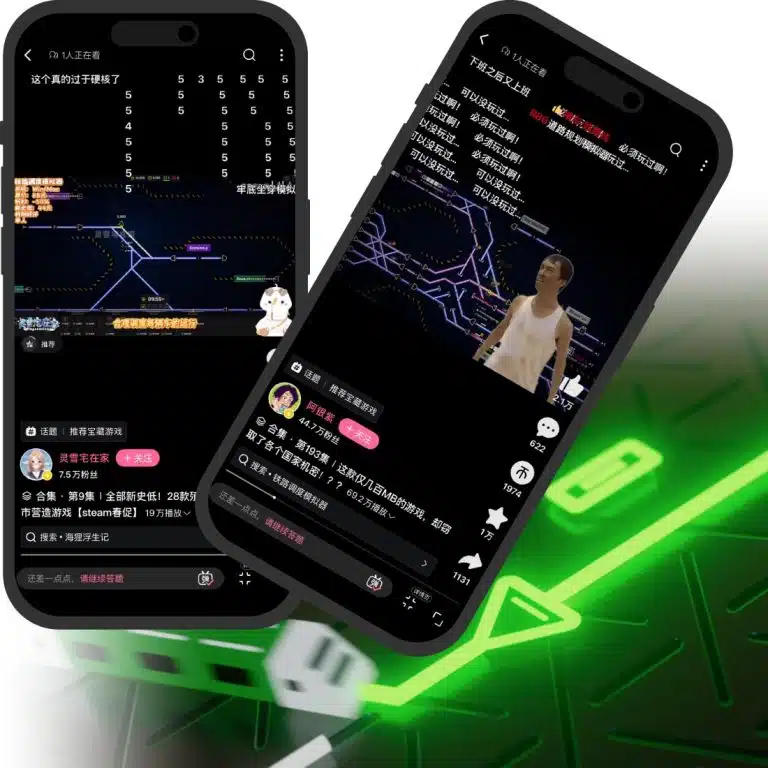
A good example is Sekkei Digital Group’s Rail Route campaign in China. To help the game grow visibility and drive STEAM wishlists, we launched a targeted Bilibili KOC campaign with three gaming creators. The campaign focused on gameplay, mechanics, and features that would appeal to local players.
With clear creator guidelines, early access content promotions, and ongoing optimization, the campaign generated 970,000+ views, 41,000+ engagements, and 2,500+ comments. This shows how Bilibili can help game brands reach relevant audiences and drive meaningful engagement with creator content.
Xiaohongshu (小红书 / RED)
The strongest gaming content on Xiaohongshu is visual and identity-led. This includes character showcases, skin appreciation, cosplay, fan art, photography, merch, offline events, and co-branded experiences.
It works especially well for games with strong art direction, character appeal, or fandom culture. HoYoverse titles are a clear example of how gaming communities can extend into conversations about beauty, fashion, food, and lifestyle.
Xiaohongshu is also a recommendation platform. Users often come to compare, save, plan, and decide what to buy. This makes it effective for campaigns that connect game fandom with offline products or branded experiences.
WeChat Groups (微信群)
WeChat is not mainly a discovery platform. It is where engaged players are kept.
For gaming communities, WeChat groups support coordination, retention, and private-domain management. Players use groups to organize guilds, raids, wars, squads, recruitment, trading, and participation in events.
This is especially important for games with clan systems, long-term progression, or community-led play. The wider WeChat social media marketing ecosystem also matters. Official Accounts support longer brand updates and CRM. Mini Programs can support events, registrations, rewards, and lightweight game experiences. WeChat Channels can circulate video content inside the same ecosystem.
Weibo (微博)
Weibo is still important for gaming announcements and public discussion. It is where launch news, official updates, celebrity endorsements, esports moments, and fandom topics can scale quickly.
It works best when the campaign needs public visibility. Major game launches, trailers, countdowns, brand collaborations, and esports milestones can all benefit from Weibo’s trending-topic culture.
Huya and DouYu
Huya and DouYu remain relevant for serious game livestreaming and esports audiences. They are especially useful for titles with competitive depth, tournaments, professional teams, and streamer-led communities.
These platforms are not the best fit for every game. They work when the audience already wants to watch skilled play, tournament coverage, or long livestream sessions.
Quick Q&A
How can foreign companies reach gamers in China?
The most effective way to reach Chinese gamers is to localize your game or partner with a domestic publisher. These companies handle not just distribution but also licensing, regulatory compliance, and user acquisition. You can also promote your content through platforms like Douyin, WeChat, and Bilibili. Social media marketing, KOL partnerships, and paid ads are good strategies as well.
What video game genres are popular in China?
Chinese mobile games are the dominant genre or format in the local gaming scene. Genres such as MMORPGs, strategy games, battle royale, and team-based shooters continue to gain popularity among domestic players.
What are the most popular mobile games in China?
Honor of Kings remains the undisputed leader, with over 100 million daily active users in China alone, according to Tencent. Game for Peace (China’s PUBG Mobile) also maintains a massive following, thanks to constant updates and tight esports integration.
Can foreign games be published in China?
Yes, but foreign games must undergo China’s approval process through the National Press and Publication Administration (NPPA). This includes content review, ISBN licensing, and local publishing partnerships. It’s a long road (often 6–12 months), but once cleared, it opens up access to one of the world’s most lucrative gaming markets.
Ready to Dominate the Chinese Gaming Market?
The Chinese gaming market has continued to attract more players in recent years despite the strict regulations and laws surrounding it. With a massive user base comes ever-changing consumer behaviors and trends, so it’s crucial to know what games are currently popular in China.
At Sekkei Digital Group, our team has extensive industry experience handling game-related campaigns in the Chinese market. We’re also equipped with the right skills and expertise to help your brand connect with the country’s tech-savvy gaming population.

Whether you want to promote on local social media platforms or collaborate with domestic gaming KOLs, we have all the digital solutions you need. Contact us today, and let’s discuss how you’ll enter the Chinese market.


ABOUT THE AUTHOR
Paola L.
Content Strategist at Sekkei Digital Group | 4+ Years of Digital Marketing Experience
Paola specializes in China digital marketing strategy for international brands. Her work combines local platform knowledge, audience behaviour analysis, and sector-specific insights across B2B, travel, FMCG, and gaming industries.
—
Looking to grow your brand in China?
Interesting insights into China’s top online games. Sekkei Digital Group provides a comprehensive look at popular gaming trends.