


Drinking tea has been a long-standing cultural practice of the Chinese people since 2732 BC. Therefore, when it comes to tea consumption, it’s no surprise that China is the largest market in the world.
Chinese consumers have consistently favored tea drinks, and demand for these products has increased significantly in recent years. Right now,
As a result, foreign tea importers are moving more quickly than ever to penetrate this market.
If you want to learn more about the Chinese tea market and get ahead of your competitors, here’s a brief guide on all the latest trends and strategies you must know.
What are the trends in the Chinese Tea Industry?
1. Emerging Demand for Foreign and High-end Brands
As the pioneer of tea products, it’s no surprise that more than half of its leading brands are from domestic companies. This is why some non-Chinese tea brands often struggle to make a lasting impression in the local market.
However, if you examine the data below from a recent report, the British-American tea brand Lipton appears to have captured the interest of Chinese consumers.
They entered the Chinese tea industry by launching two green tea variations: Jasmine and Tie Guan Yin. Today, the company is selling over 200 products within the local tea market.
Although Lipton offers different tea types across several e-commerce platforms, the brand has continued to gain recognition as the famous “yellow tea bag.”

Tea in China – Key Players (Source: Statista)
The penetration of Lipton in China’s tea market signifies the growing appetite among Chinese people, particularly young consumers, for foreign products.
This trend extends beyond traditional tea culture and is driven by perceptions of quality, prestige, and uniqueness associated with imported goods. Brands can capitalize on this purchasing habit by highlighting the unique origins, stories, and product standards of their offerings.
It’s essential to craft an identity that distinguishes your brand from domestic products, not only in terms of tea quality but also in offering premium, innovative drink experiences.
2. Culture of Giving Tea as Gifts
Another part of China’s tea culture is gift-giving. These drinks are often used to show respect and build relationships during special occasions, public holidays, or national festivals.
Since ancient times, gift-packaged tea has been regarded as a luxury item due to its high monetary value and perceived health benefits. Locals also offer tea to hosts when visiting their homes to express their gratitude for their hospitality.
The significance of tea in China during major holidays, such as the Spring Festival, presents an opportunity for foreign brands to introduce premium, well-packaged tea products suitable for gifting.
While a new-style tea is not always necessary when entering the Chinese market, it is still essential to localize your brand according to the tastes of local consumers. Remember that these products are highly cultural, so it’ll be wise to incorporate Chinese art and symbolism elements to appeal to this market.
3. Regional Demand From Tea Consumers
The country’s vast geography and diverse culture often indicate that consumers in different regions don’t have the same preferences regarding tea leaves in their drinks.
For example, green tea consumption is a predominant trend only in East China. Meanwhile, consumers in the Southern regions may have a stronger taste preference for oolong or black tea.
Milk tea variations have gained popularity in the market in recent years. According to recorded reports, the consumption of this milk-infused drink is reportedly five times higher than that of coffee.

Image by Freepik
The milk tea products we know today gained popularity in China between the 1980s and 1990s. However, according to some records, mixing fruits with fruit tea leaves bears a resemblance to the cultural drink made by minority groups in North China.
Despite its origin, the commercial version of milk tea is more prevalent in major metropolitan cities, such as Beijing and Shanghai. Places with strong youth cultures, such as Guangzhou and Shenzhen, also have a solid milk and fruit tea market in China.
4. Emphasis on Health Benefits and Quality
Tea culture is a massive part of the health and wellness craze in China. When it comes to food and drinks, Chinese consumers are increasingly health-conscious. So, it’s only natural that they are actively seeking out teas that offer not just traditional flavors but also healthy benefits.
Many products in the Chinese tea market are renowned for their health benefits, such as the antioxidant properties of green tea or the therapeutic effects of herbal teas.
What is the Chinese Tea Culture?
Chinese consumers consider tea products to be more than regular beverages. You may not know, but it’s deeply rooted in their history, tradition, and social customs.
It’s a tradition that spans over 4000 years. To this day, it continues to serve as a medium for social interaction and a symbol of hospitality in Chinese households. Tea ceremonies, in particular, are conducted to emphasize spiritual experience and reflect on the country’s ancient values.

Image by xb100 on Freepik
Serving and drinking tea often signifies harmony, respect, and social status because it embodies philosophic beliefs from Daoism, Buddhism, and Confucianism. Tea consumers believe these principles are a way to cultivate oneself morally and spiritually.
Many locals also drink it due to the ancient health concepts rooted in the influence of traditional Chinese medicine. They practice mixing these herbs with tea leaves to maximize healing properties.
Today, these products come in a variety of unique flavors and brewing methods, including green tea, oolong tea, black tea, white tea, and jasmine tea. In modern tea shops, you’ll find related beverages like milk tea that are especially popular among younger consumers.
Understanding how this Chinese culture works and transforms over time can be pivotal in creating an effective digital marketing strategy, especially when selling tea produced outside of China.
How much tea is sold in China?
The combination of offline and online sales channels has enabled the China tea market to achieve a predicted revenue of $115.14 billion in 2025.
With the rise of new-style tea beverages, the Chinese tea industry is expected to generate 2.31 billion kg for at-home consumption and 120.86 million kg for out-of-home consumption.
The long-standing tradition of tea consumption in China also contributed to its impressive annual growth rate of 5.13% between 2024 and 2028.

The dominant age group of tea consumers in China is understandably older. However, did you know that approximately 45.7% of those buying these products are young people under 34? This diversified consumer demand demonstrates that local tea consumers are not limited to a single demographic.
Meanwhile, the new-style tea market in China (e.g., bubble tea and fruit-based drinks) is projected to reach 250 billion yuan by 2025.
How do Foreign Tea Brands Market to Chinese Consumers?
Domestic players dominate China’s tea market, so foreign marketers must understand when and where to effectively market their products. Here are a few pointers you should consider:
1. Participate in China’s annual trade fairs & expos
Participating in trade fairs and expos is an effective way to enter the local tea trading scene. These events provide opportunities to showcase the quality of your brand, understand evolving local market trends, gather consumer feedback, and establish a network for potential partnerships.
- Shanghai International Tea Trade Fair
This fair is one of the most prominent platforms for the tea industry in China. It attracts many participants, from tea growers to international brands.
Engaging with exhibitors at this fair can provide valuable insights into the local market, allow for direct interaction with potential customers and partners, and enhance brand visibility.

Source: cantonfair.net
- China Xiamen International Tea Fair
As a city with a rich tea culture, this Xiamen event focuses on the entire tea supply chain, from production to packaging and marketing.
It’s an excellent venue for foreign brands to introduce their products to a targeted audience and to establish business relationships with local distributors and retailers.

Source: tradefairdates.com
- China International Natural Food and Beverage Expo (NFBE)
While not exclusively a tea fair, the NFBE is crucial for any brand in the natural beverage sector, including those specializing in tea. It emphasizes health and wellness products, aligning well with the growing health-conscious market segment of tea consumers.
This expo is an opportunity to position your tea brand within the broader context of healthy living.

Source: Guangzhou International Food and Beverage Expo(NFBE)
2. Choosing the Right E-commerce Platforms
To sell tea brands online in China, foreign companies must establish a presence on local e-commerce platforms. Fortunately for you, online marketplaces like Tmall Global and JD Worldwide offer a streamlined way to enter the Chinese market without needing a physical store in the country.
When you set up a virtual store in any of the local marketplaces available in China, it’s worth noting that it involves various verifications, requirements, and compliance with local regulations.
After all that, you can sell directly to Chinese consumers, with the platform handling logistics and customs clearance on your behalf.

3. Launch Influencer Marketing Strategies
When searching for KOLs to collaborate with, consider influencers who align with your brand values and have a following that matches your target audience. It could include tea experts, lifestyle influencers, or health and wellness experts.
Marketers can develop collaborative campaigns with KOLs, such as limited-edition products, live brewing sessions, or tea-tasting events, to generate buzz and authenticity around your brand.
4. Optimize for Local Search Engines
In China, the digital landscape and consumer behavior are distinct, resulting in SEO strategies that differ from those in Western markets. So, when you’re using local platforms like Baidu or Sogou, you must utilize Mandarin keywords, understand local search behaviors, and create content specific to the Chinese market.
A strong SEO strategy ensures that your brand appears prominently in the search results when potential customers search for tea-related terms.
Try to look at what local competitors are doing and how they are perceived online. This insight can help foreign brands position themselves effectively in the local business scene.

Baidu search results for Lipton
What are the Best Platforms for Marketing Tea in China?
1. WeChat
WeChat remains the most powerful all-in-one platform for content creation, CRM, and building brand loyalty. Tea brands utilize Official Accounts to disseminate content, Mini Programs to operate e-shops, and Channels to publish short videos or host livestream tastings.
WeChat’s private domain structure is perfect for nurturing returning buyers, especially for high-end or health-focused teas.
2. Douyin
Short-form video and livestream sales make Douyin the fastest funnel from brand discovery to storytelling to checkout. Brands such as CHAGEE and Nai Xue’s Tea utilize daily livestreams and short-form videos to promote limited-edition flavors and generate real-time orders.

3. Bilibili
For long-form education and deeper cultural storytelling, Bilibili is emerging as a niche yet valuable space. Tea culture content, brewing tutorials, or regional deep-dives perform well here, especially with a younger, curious audience.
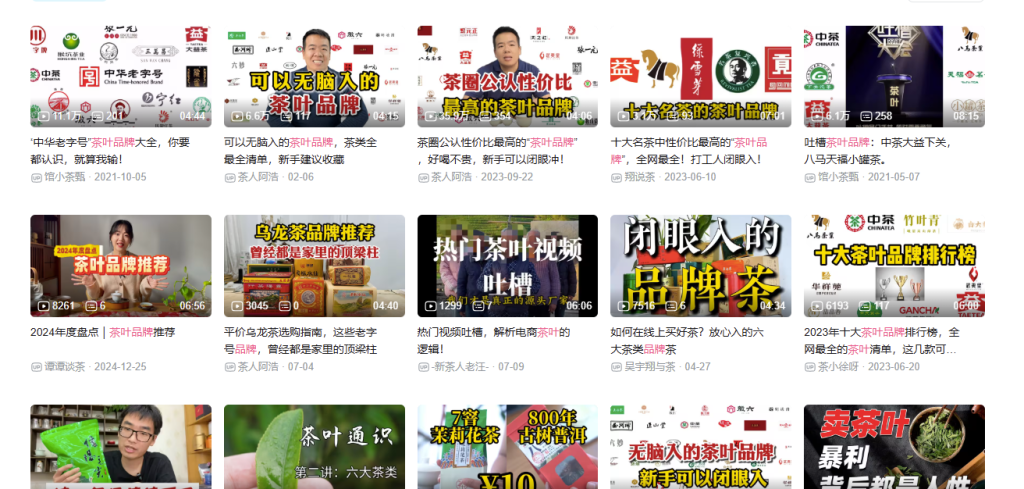
4. Weibo
While no longer the front-runner for product discovery, Weibo still plays a role in amplification. Brands use it to build social proof, share campaign milestones, and collaborate with celebrities or tea influencers. It remains relevant for large-scale buzz, especially during launch events or tie-ins with cultural festivals.
5. Xiaohongshu (Little Red Book)
Xiaohongshu excels in lifestyle content and peer-driven reviews. If you’re marketing premium tea, ceremonial sets, or health blends, this is the platform to win hearts through aesthetic storytelling, influencer partnerships, and keyword-rich content.
The user base is predominantly young and female, actively seeking high-quality recommendations.
Quick Q&A
What is the history of tea in China?
Tea in China has a history spanning thousands of years. It is believed to have originated as a medicinal drink, gradually evolving into a daily beverage during the Tang dynasty. Over the centuries, tea has played a pivotal role in Chinese culture, shaping social customs, literature, and the arts.
How big is the tea market in China?
The tea market in China is the largest globally, valued at $58.7 billion in 2024. This is to be expected, as the country has a rich history of tea products, spanning over 4,000 years, which accounts for approximately 40% of the world’s tea consumption.
How to sell tea in China?
You can launch tea through online cross-border e-commerce or by setting up local flagship stores on platforms such as Tmall, JD.com, or Taobao. These platforms help foreign brands connect directly with Chinese consumers.
Who buys tea in China today?
Tea buyers now range from urban millennials and Gen Z students to health-focused professionals and premium seekers. Around 63% of consumers drink tea for health reasons, and younger consumers are particularly drawn to new-style tea beverages, such as bubble tea.
Premium loose-leaf tea appeals more to higher-income professionals in their thirties and older. Meanwhile, younger drinkers gravitate toward on‑the‑go, visually engaging options discovered through influencers and social commerce.
Ready to Dominate the Chinese Tea Market? Get In Touch With Us Today!
China’s tea market offers a significant opportunity for foreign brands. However, its evolving consumer preferences, cultural nuances, and regulations may appear overwhelming for newcomers.
You may also want to read:

At Sekkei Digital Group, we understand the subtleties inherent to the Chinese business scene, including consumer behaviors and the ever-evolving trends that shape it.
With our extensive expertise in this niche, we provide you with the opportunity to unlock your brand’s potential and establish a formidable position as a leading brand in China.

Whether it’s crafting compelling advertising campaigns, utilizing social media platforms, or opening a virtual storefront, we have the digital solutions you need. Contact us today, and let’s start working together!

References:
Tea – China
How to Sell Tea in China?
Blending tradition and trend in the world’s largest tea market