


Cosmetics and beauty products consistently remain in high demand on Chinese online shopping platforms. In fact, the industry is projected to reach an impressive market value of $78 billion by the end of 2025.
Today, international brands still hold a significant portion of the Chinese cosmetics market. This makes Western marketers more eager to find new ways to sell their products to Chinese consumers.
Here’s a brief guide to the best Chinese e-commerce platforms for beauty brands. Get to know their features and dominant audience segments to make your digital marketing strategy more effective in resonating with local consumers.
What are the Best Chinese E-Commerce Platforms for Foreign Beauty Brands?
1. Tmall (天猫)
Tmall is a leading e-commerce platform owned by the tech giant Alibaba. It has a 42% market share, the largest among China’s long list of online shopping apps today. Chinese consumers consider this app the top source of authentic foreign skincare and cosmetics products.
Domestic credibility and consumer relevance are critical in the domestic beauty industry. That’s why it’s not surprising that Tmall generated approximately 449.8 billion yuan in sales revenue between 2024 and 2025.

As a cross-border e-commerce platform, Tmall became a local beauty industry portal for foreign brands attempting to enter the Chinese market. In fact, modern Chinese beauty consumers are already accustomed to seeing foreign cosmetic and skincare products on the app.
Globally-renowned brands, such as Estée Lauder, L’Oréal, and Shiseido, have notably established virtual storefronts and product listings on Tmall to expand their reach in China.
According to a February 2024 report by Alizila News, Tmall has approximately 46,000 global brands operating within its system from over 90 countries and regions. The demand for these imported goods encompasses around 7,000 product categories, including beauty and self-care brands.
How We Utilized Tmall for Beauty & Wellness Brands in China
When selling a foreign cosmetics brand on Tmall, it’s essential to note that the way it operates differs significantly from Western platforms. During our revamp work with Elevant’s Tmall flagship store, we made sure that all product information and listings align with the platform’s regulations and in-app search experience.

Our revamp project with Elevant’s Tmall flagship store
We also set up campaigns specifically for major e-commerce festivals, like 618 and Qixi. These events are often the height of online consumerism in China, which is a chance for foreign brands like Elevant to generate brand interest and possible sales in their product listings.

Using several social media marketing features, such as live streaming and influencer collaborations, Elevant managed to increase brand awareness. Our team handled the shortlisting, profiling, content creation, and negotiation with KOCs and KOLs who are active and relevant on Tmall to ensure the success of every campaign we launch on the platform.
2. JD.com (京东)
Unlike other Chinese e-commerce platforms for beauty brands, JD.com, also known as Jingdong, does not utilize third-party sellers. They operate exclusively through a direct sales model, enabling foreign brands to exert greater control over their online inventory, pricing, and overall brand image.
In 2025, this cross-border e-commerce platform serves over 600 million active Chinese consumers, most of whom consider the app a source of high-quality products. With this positive reputation, foreign cosmetics brands can emphasize the credibility and authenticity of their products.

Another reason many foreign companies choose JD.com to sell cosmetics is its extensive logistics network within the country. You may not know, but it’s one of the best e-commerce platforms that offers fast and reliable delivery services across China to Chinese consumers.
For foreign cosmetics brands without a physical presence in the Chinese market, this logistical efficiency is a significant advantage in ensuring that products reach consumers promptly and in good condition.
Why JD.com Matters to Beauty Brands in China
JD.com has become a key entry point for international beauty brands for several reasons:
- Consumer Trust: Chinese shoppers are particularly cautious about counterfeit cosmetics. JD.com’s commitment to verified products gives foreign beauty labels an advantage when building credibility.
- Affluent Consumer Base: Beauty remains one of China’s fastest-growing e-commerce categories. JD.com’s active base of higher-income and urban consumers aligns well with premium skincare and makeup brands.
- Marketing Ecosystem: Beyond selling, JD.com offers marketing tools such as data-driven campaigns, livestreaming, and influencer collaborations. These features allow beauty brands to not only sell but also build awareness.
- Regulatory Confidence: For international players, JD.com provides more structured compliance support compared to smaller platforms, reducing risks tied to cross-border regulations and product registration.
3. Little Red Book (Xiaohongshu / 小红书)
Little Red Book is not only a top social e-commerce channel in China. It’s also one of the Chinese social media platforms that thrives on community-driven and user-generated content related to beauty products.
Xiaohongshu has a predominantly young, urban, and female user base. Because of this, beauty consumers on this platform mainly seek unique consumer experiences and niche-specific products that resonate with their age groups, interests, and demographics.

Xiaohongshu consumers also tend to rely more on user-generated content before making a purchase. This often includes tutorials, reviews, live-stream demonstrations, and short-form videos that help build brand trust and awareness within its niche.
With users spending considerable time browsing, reviewing, and discussing products, marketers can capitalize on this opportunity to collaborate with Key Opinion Leaders or Key Opinion Consumers who are active across the platform.
Over 10 million influencers exist in China, and most have a massive follower base that trusts their recommendations more than traditional advertising.
Numerous international beauty brands have successfully leveraged Little Red Book to engage Chinese consumers. One look at Little Red Book, and you’ll see that many foreign companies, such as L’Oréal and SK-II, have active presences on the platform, utilizing it to build their brand reputation and generate direct sales.
Why Xiaohongshu Matters to Beauty Brands in China
Xiaohongshu sits at the top of China’s beauty discovery funnel. Shoppers read notes, watch tutorials, and then buy through native stores or creator livestreams. For foreign beauty labels, that mix delivers trust and speed.
- High intent discovery: Users search product names, variations, guides, and comparisons before they buy. Daily in-app search volume approached 600 million in Q4 2024, which shows how often shopping starts on Xiaohongshu.
- Strong Appeal to Young, Urban Women: The community attracts financially independent women in major cities who are less price sensitive, which is ideal for premium skincare and makeup.
- Native commerce: Many foreign brands start small here. You don’t need a massive advertising budget. If your product gains traction through community posts, it can build organic buzz and long-term brand value.
- Direct Sales Integration: Xiaohongshu allows brands to open flagship stores within the app. This means users can move from seeing a product in a post to buying it instantly without leaving the platform.
4. WeChat Store or Mini-Program
With more than 1.3 billion monthly active users, it’s a no-brainer for any marketer to have a brand launched on WeChat. However, besides being one of China’s largest social media platforms, did you know you can also establish an e-commerce channel in this super app?
In 2013, the platform introduced e-commerce features to its users. In addition to social media networking, local consumers browse product listings on the brand’s WeChat Store or Mini-Program. They’ll also be able to pay through WeChat Pay without being prompted to connect to other e-wallet applications.

Approximately 949 million WeChat users browse information and purchase products through mini-programs each month. Given this audience reach alone, it’s hard to deny how integral these features are to the average online shopper in China.
Beyond e-commerce functionalities, WeChat Mini-Programs are also integrated with dynamic content features, such as live streaming. The combination of social and sales tools within this landscape gives beauty brands more freedom to personalize their consumer experience.

Sephora’s Mini-Program Live-streaming Content on WeChat
This high e-commerce demand has been leveraged by familiar names in the global beauty market, like Lancôme and MAC Cosmetics. Like these brands, you can establish an official WeChat account to utilize WeChat’s full-scale social media marketing and advertising ecosystem to communicate directly with your target audience.
You should be aware that local consumers are particularly cautious of counterfeit goods, including imported cosmetic products. Because of this, having verified accounts on platforms like WeChat gives your brand more access to advanced features and establishes credibility in the cosmetics industry.
Why WeChat Matters to Beauty Brands in China
WeChat works best as a closed-loop marketing funnel. You attract followers with content, move them into a Mini-Program store, close the sale with WeChat Pay, and keep the customer relationship warm with CRM. Here are some feature that makes them effective for selling beauty brands online in China:
- Private Domain Traffic: Unlike e-commerce platforms such as Tmall or JD, where the marketplace owns the consumer relationship, WeChat allows brands to capture and manage their own traffic. This means repeat purchases and direct communication through official accounts, chat, and the brand fully controls loyalty programs.
- Social + Commerce Integration: Shoppers can discover a skincare routine in a WeChat group, click a shared link, and purchase directly in the Mini-Program. That seamless journey reduces friction and increases conversion rates.
- Customer Service and Loyalty: Mini-Programs support customer service features, loyalty programs, and exclusive promotions. Beauty brands in China often use them to launch VIP membership programs, early access drops, and personalized product recommendations.
5. Douyin Flagship Store
When it comes to social media marketing strategies, Douyin is initially known as one of China’s biggest video streaming platforms. However, as the app evolved, it has developed several e-commerce features, like live commerce, product listing ads, and virtual flagship store development.
Through these functions, users can discover your products within video feeds and purchase them without leaving the app. It facilitates a smooth consumer journey transition from promotions to sales.
You can also utilize the platform to target younger consumers of beauty products, as it has a relatively young user base that ranges from 18 to 35.

With today’s cosmetic consumers more keen on authentic recommendations, the best way to generate traffic to your Douyin store is to promote your cosmetics products through live-streaming campaigns.
You can also try collaborating with the platform’s active KOLs or KOCs, who are typically known and trusted in the local beauty market. You’ll have no problem finding an ambassador for your brand because this social media channel thrives on user-generated content.
Why Douyin Flagship Store Matters to Beauty Brands in China
For overseas brands, Douyin’s cross-border program allows you to open a Global Shopping store, including a brand flagship type, and sell to China using bonded warehousing and in-app logistics. Here are other e-commerce advantages you can expect from this social media platform:
- Video-to-Checkout: Douyin makes it easy to link products directly from livestreams and videos. This is a massive advantage for beauty brands that rely on demos, tutorials, and before-and-after results.
- Influencer Integration: Niche-specific KOLs and KOCs can drive massive traffic to your flagship store. Some campaigns have generated thousands of orders within minutes through coordinated livestreams with local creators.
- Massive Commerce Scale: Independent reporting places Douyin’s 2024 e-commerce GMV around RMB 3.5 trillion, with rapid growth that moved it into the top tier of Chinese marketplaces for beauty brands.
6. Pinduoduo (拼多多)
Pinduoduo is the e-commerce platform with the most unique business model among the other options on this list. It operates with a group-buying concept, where users can obtain lower prices by purchasing items collectively.
Although Chinese consumers are known for their love of premium cosmetics products, this distinct market structure encourages them to try new brands and products through attractive pricing opportunities.

It’s not as extensive as other social media marketing platforms, but Pinduoduo allows users to leave reviews about the cosmetic products they bought from your virtual store. This engagement fosters community and generates peer-to-peer recommendations, which is especially valuable for beauty companies.
As a cross-border e-commerce channel, it’ll allow foreign brands to sell in China without a physical presence. Pinduoduo is also more popular in low-tier cities. Promoting on this Chinese social media platform means you can reach beyond the typical beauty consumers and garner more traction among new audiences.
Why Pinduoduo Matters to Beauty Brands in China
Recent moves by global fashion and lifestyle names to open storefronts on Pinduoduo signal that mainstream brands are paying attention to the platform. Here are other reasons you should focus on this e-commerce app as well:
- Entry-Level and Niche Products: Pinduoduo isn’t where you showcase your luxury serum. It’s where you test mass appeal. Affordable beauty items, travel-size kits, and locally adapted SKUs (like whitening lotions or hydrating creams) gain traction more easily here.
- Built-in Growth: Group buying, coupons, and mini-games push social sharing and quick conversion. Brands can add paid visibility through search and display ads when they need controlled reach.
- Not for Prestige Brands: Heavy discounting can dilute luxury equity. If you are premium or luxury, treat Pinduoduo carefully or avoid it altogether.
7. Yunji
Yunji is a membership-based online shopping platform, so not all brands can enter the local market through this channel. It carefully selects brands and products to sell to provide its users with high-quality products at excellent prices.
The platform began its cross-border e-commerce trades in 2016, opening its online channels to foreign brands. Today, Yunji is home to a wide range of products related to daily needs, like digital gadgets, children’s toys, and fresh foods.

Due to its exclusive nature, Yunji attracts consumers looking for specific, high-quality items while maintaining a sense of luxury. Other users find online shopping in this channel appealing because they often find products priced at wholesale, which means they get better quality for less money.
Since Yunji has a highly specific user base, the link between the brand and consumers is relatively straightforward. Your consumers can give direct insights about the brand, allowing you more time to tailor your offerings according to their needs.
Unlike traditional e-commerce platforms, where brands often launch multiple products to test the market, Yunji enables brands to quickly adapt to consumer feedback, thereby increasing the likelihood of producing popular goods.
8. Jumei
Jumei was the first Chinese marketplace to sell cosmetics in China, dating back to 2010. While less popular than other cross-border e-commerce sites, it holds 22.1% of the country’s cosmetics sales.
It focuses on selling beauty products at reduced prices to differentiate itself from major competitors, such as Tmall and JD.com. This strategy aims to attract consumers with limited spending power.

The platform’s price-focused strategy could help foreign marketers reach a broader segment of consumers. It’s particularly popular among cost-conscious online shoppers who are still interested in high-quality cosmetic products.
Furthermore, Jumei goes beyond just selling cosmetics online. It also provides its Chinese audience with relevant industry information and news. It includes reviews of different brands, recommendations for cosmetic products, and tips on makeup and skincare.
9. VIPshop beauty
VIPshop Beauty is one of China’s top three most profitable B2C platforms. Many local consumers are familiar with this e-commerce website for offering discounted prices on cosmetics brands. Its current popularity is primarily due to its successful partnerships with famous brands, selling their excess inventory at reduced rates.
In 2019, VIPshop experienced a significant increase in activity, with total orders reaching 116.5 million and the number of active users rising to 29.7 million.

This platform is especially suitable for brands with excess inventory, allowing them to clear stock while efficiently reaching a vast audience.
VIPshop’s large user base and proven track record in the cosmetics sector make it an attractive platform for foreign brands seeking to establish or expand their presence in the competitive Chinese market.
10. Kaola.com
Since Kaola.com primarily specializes in procuring foreign goods directly from overseas manufacturers, it has become a preferred destination for imported cosmetics.
Over the years, this marketplace has built a reputation for ensuring the authenticity of its products. Thanks to this image, many international beauty companies can maintain their local presence on the platform and build a loyal buyer community in China.
The platform saw rapid growth in its sales volume, reaching over $80.7 million in revenue. The top product categories generating this revenue include beauty products and health supplements.

Why Kaola.com Matters to Beauty Brands in China
If your products lean toward prestige, trust, and authenticity, Kaola should be among the top Chinese e-commerce platforms to consider for your beauty brand. Listed below are some compelling reasons to start growing your digital presence on the platform:
- Strong Trust Signals: Chinese consumers are cautious with imported cosmetics due to widespread counterfeits in the past. Kaola’s direct procurement model gives them confidence that they’re buying real, safe products.
- Specialized in Cross-border Imports: Kaola is one of the few platforms fully built for cross-border commerce. Foreign brands can sell directly through bonded warehouses or ship via direct mail, reducing the regulatory and operational hurdles of setting up a full Chinese business presence.
- Beauty-Ready Demand: Kaola has carried core import categories such as skincare and personal care for years, and the platform has hosted partnerships with global beauty groups entering China online.
11. Sephora China
Despite being a company initially from France, Sephora established itself as China’s second most popular multi-brand beauty retailer. In 2021, it had approximately 315 local stores, primarily located in major cities.
This platform provides an authentic and trustworthy online shopping experience, blending their online and offline presence to showcase a vast range of cosmetics.
The brand’s significant market share in China is a result of its innovative e-commerce strategy, which encompasses not only Sephora.cn but also collaborations with various other online platforms in China’s beauty market.

With Sephora’s multi-channel approach, it was able to unlock opportunities for many cosmetics brands to reach broader audiences and cater to diverse consumer needs.
By featuring their products on this platform, you can leverage its reputation for authenticity and quality. Sephora’s widespread physical stores can offer consumers a tangible product experience, enhancing brand visibility and trust.
12. SMZDM (什么值得买)
SMZDM is short for “Shénme Zhíde Mǎi” (“What’s Worth Buying”). It began in 2010 as a deal-sharing forum and has evolved into China’s premier e-commerce shopping guide. The platform combines curated content, user reviews, and affiliate-based deal listings.
Rather than selling products directly, SMZDM connects consumers to the best promotions across e‑commerce platforms via affiliate links and community‑recommended coupons.
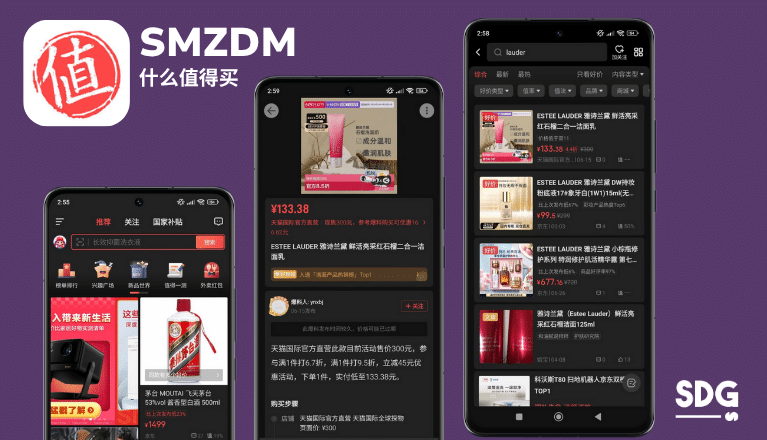
In China’s over-saturated beauty space, this peer-driven product validation is gold. Users on SMZDM tend to be educated, urban, and hyper-informed. They don’t just want promotions. They want social proof.
Korean and Japanese skincare brands, such as Hada Labo and Sulwhasoo, have consistently ranked high on the platform. Their increased traction is beyond implemented ad listings, but thanks to consistent user endorsement on the platform’s community section.
This is because Chinese beauty consumers are skeptical of direct brand claims but highly influenced by collective wisdom.

SMZDM Community Interface for Hada Labo
What are the laws for cosmetics in China?
Cosmetics in China are categorized into two main types: special and general. Special cosmetics include products like hair dyes, sunscreens, and skin-whitening products, which require more rigorous testing and approval processes. The other category faces relatively more straightforward registration or filing requirements.
In terms of packaging, all cosmetics sold in China must have Chinese labels, including a list of ingredients, usage instructions, and manufacturer details.
You should also ensure that claims made on labels and advertisements are substantiated and do not mislead consumers.
Quick Q&A
How to sell cosmetic products in China?
Selling cosmetic products in China requires compliance with the National Medical Products Administration (NMPA) regulations, which govern the safety, labeling, and marketing of beauty products. Businesses can enter the market by establishing a local entity, partnering with local distributors, or leveraging cross-border e-commerce platforms.
How strictly regulated is the beauty care market in China?
The beauty care market in China is subject to stringent regulations. Regulated by the National Medical Products Administration (NMPA), the industry is subject to strict oversight regarding product registration, ingredient compliance, labeling requirements, and advertising practices. The regulations are particularly rigorous for special cosmetics, including hair dyes and sunscreens, requiring detailed testing and approval processes.
Where to sell beauty products in China?
Beauty items can be sold in China through various channels. Cross-border e-commerce platforms such as Tmall and JD.com are popular choices, particularly for foreign brands seeking to enter the Chinese market without establishing a physical presence. For offline retail, high-end department stores, beauty specialty stores, and pharmacies are traditional avenues.
What is the tax on cosmetics sold in China?
In China, cosmetics are subject to a 17% value-added tax (VAT). A consumption tax of 15% is applied to premium cosmetics, with no tax applied to non-luxury items. Imported high-end cosmetics are subject to a 50% import tax. These varying rates may change at any given time, so it’s advisable to consult a tax professional for current and detailed guidance.
What Chinese platform is best for Gen Z beauty shoppers?
Xiaohongshu is still the go-to platform for Gen Z beauty shoppers in China. Over 70% of its users are under 30, and they use the app not just to shop, but to explore reviews, routines, and recommendations from everyday users and influencers.
Who are the Online Beauty Shoppers in China?
Young women still drive online beauty trends in China, but the picture is diversifying. Roughly seven in ten e-shoppers are aged 18-34, with the 25-34 bracket alone accounting for 43% of all cosmetics buyers.
These shoppers are digitally savvy, socially influenced, and turning to KOLs, livestreams, and peer reviews before making a purchase.
Ready To Dominate The Chinese Beauty Market? Get In Touch With Us Today!
From major platforms like Tmall and JD.com to social media and community-centric sites like Xiaohongshu, foreign companies must understand the important role of China’s digital landscape in reaching and engaging with Chinese online beauty shoppers.
You may also want to read:

The local market’s exposure to these homegrown platforms has led to Chinese consumers developing preferences and shopping habits that are entirely different from those of beauty shoppers from the West.
That’s why success in this market segment requires a presence on the right platforms and an adaptable, culturally aware, and innovative approach to digital marketing.

Whether it’s for setting up an online shop, crafting compelling paid advertising campaigns, or harnessing the power of SEO and social media, SDG has the digital solutions you need. Contact us today, and let us help you navigate the intricacies of the Chinese e-commerce market.
